


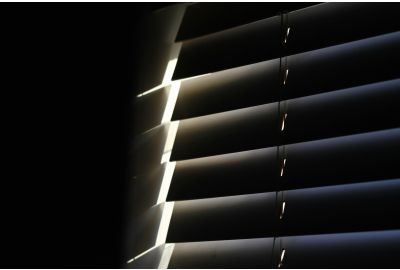
Getting restful sleep during summer isn’t just hard for adults, it can be just as tricky for babies and toddlers. When daylight stretches late into the evening, rooms stay bright for hours past bedtime. That can make it harder for little ones to wind down, especially if their nursery doesn’t block out the sun well.
We often hear from parents trying to manage naps and early bedtimes during these long, light evenings. One way to help is by using blackout material for blinds. It creates a darker, calmer space that supports sleep and reduces distractions. When the light outside keeps going, having proper blinds inside can make all the difference.
Why Controlling Light Matters in a Nursery
Babies and toddlers learn sleep habits from their surroundings. If the nursery feels like midday at seven in the evening, their body can get confused about what time it is. That bright glow sends the wrong signal, stay awake. A dark room tells the brain it’s time to rest. It helps children feel sleepy and stay that way longer. Summer months can make this set-up harder. Light creeps through every clear spot, and some nurseries stay too bright for comfort unless something blocks it out properly. Good blinds stop that lingering daylight from keeping your child wide-eyed when they should be settling down.What Blackout Material Does (And Doesn’t Do)
Blackout material works by stopping most light from passing through. Unlike regular blinds that just dim a room, blackout fabric goes further, it aims to block nearly all outside light. That means surroundings look darker, even when it is sunny out. It is helpful to know what it will not do. Blackout does not quiet the room or change its temperature. It focuses only on light. The benefit comes in how that light control shapes routine. A darker space often makes bedtime smoother, but it is not a fix for every sleep issue. What blackout material really does is set the stage. It allows other sleep cues, like soft sounds or bedtime books, to work better without the bright distraction of late sunbeams across the room.Picking the Right Type of Blind
There is more than one way to dress a nursery window, and each comes with its ups and downs. Blackout material can be added to many different blind styles, but a few types tend to work better than others.- Roller blinds: Simple to use and easy to pair with blackout fabric, these often sit close to the window, helping block more light.
- Roman blinds: Offer a softer look and can be made with thick blackout lining for visual warmth and light control.
- Curtains: Can work when made with blackout lining but may let light leak around the edges unless paired with another covering.
Things to Think About Before Buying
Before choosing any blind for a nursery, we always look at how the window fits into the room. Odd shapes, unusual frames, or tricky placements can change what options will work best. Measuring carefully matters. A good fit helps close off light, and poor sizing leaves unwanted gaps. We also keep safety in mind. That means thinking about:- Cord-free or hidden control systems
- Height and reach, will it need adult help to adjust?
- Sturdy wall mounts or secure fittings that will not come loose
- Making sure the blind fits flush to the window where possible to restrict edge light