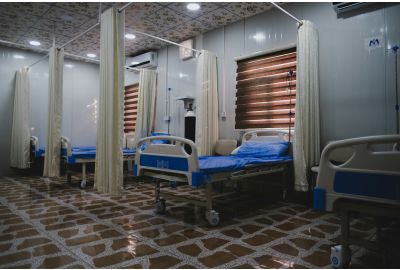
Healthcare spaces often face a few challenges when it comes to layout. Rooms change depending on who’s being treated, where equipment gets moved, and how much privacy is needed. It's not always easy to make things work when space is tight or walls aren’t straightforward.
A bendable curtain track in the UK can really help in these situations. It fits around corners, dips under fittings and follows curved walls without needing large fixings or structural changes. For care homes, clinics and smaller setups, this kind of flexibility can make a big difference. We’ll look at why these tracks work so well, especially when healthcare teams need to respond quickly and quietly to changing needs.
Why Flexibility Matters in Healthcare Layouts
Care environments have to stay ready for all sorts of changes. One day, a room might be used for patient check-ups. The next, it needs to support treatment or equipment storage. In places like care homes or GP surgeries, it’s not always practical to knock down walls or bring in big dividers.
That’s where flexible curtain tracks come in. They:
- Support privacy without closing off rooms entirely
- Allow staff to adjust setups without calling in extra help
- Work with existing features like support rails, hoists or wall units
Because they don’t need permanent fittings or heavy bracket systems, bendable tracks are easier to reposition when the room setup updates. This is useful in places where care routines shift throughout the day or week.
Flexible spaces mean better comfort for residents, patients, and healthcare workers, too. When a room can be changed quickly and simply, everyone can get on with their routines without a fuss. Sometimes, all it takes is a little adjustment to make a big difference in how a space feels.
What Makes Bendable Tracks a Good Fit
Standard tracks can be hard to work with in areas that have odd shapes or bulky machinery. A bendable version can curve gently around these spaces and still hold its shape, which means the curtain won’t drag or catch. This matters when you’re trying to keep things running smoothly and safely.
We use them most in places with:
- Curved corners or rooms separated by floor-to-ceiling pillars
- Overhead hoists or built-in sink units
- Shared spaces that need a barrier but still require airflow and visibility
Direct Fabrics supplies bendable tracks and flame-retardant curtain options, which can be fitted to both ceilings and walls, and shaped onsite for a tailored fit.
Because bendable tracks are designed for movement, they hold lightweight and medium curtains well without sagging. Most installations don’t need complex drilling, so they come together sooner and with less disruption to rooms already in use.
Bendable tracks also mean that if your space has unique layouts or changes often, you don’t have to start over with every new requirement. Instead, the same track can adapt again and again. This flexibility reduces waste and saves valuable time, so the care environment can stay focused on comfort and routine.
Using Tracks in Care Settings: Where They Work Best
Everyday use is where flexible tracks show their value. In busy healthcare rooms, it’s not just about function but also calm movement and patient comfort.
We often see them used in:
- Bed bays and screening sections, where someone might need visual privacy for a short time
- Treatment zones in smaller rooms tucked into older buildings
- Clinics or home care spaces where equipment is along the walls and space is tight
Rooms with long corridors or split zones often benefit too. The track can sweep with the shape of the wall, breaking up the space softly without a hard partition. It gives staff separate areas for daily tasks while helping patients feel cared for, not boxed in.
Flexible tracks find a place in changing rooms, therapy spaces, and even visitor waiting areas. When privacy is needed for a short time, the curtains can be drawn. Then, when the area needs to open up again, they slide away without leaving a cluttered or blocked area. This approach means that everyone in the space gets what they need, whether that’s a quiet moment or a team working together.
In older buildings or converted spaces, fixed fittings can be tricky to use or install. Bendable tracks add an extra layer of practicality and simplicity. They let care staff make the most of every corner, even when walls don’t line up in the usual way.
Checking the Details: Fitting It Right the First Time
Like most fittings in care settings, small adjustments at the start make a big difference later. This includes checking how the curtain moves, where the track bends, and how close it sits to nearby structures like pendant arms, cabinets or rails.
To get the most out of a bendable curtain track, always:
- Measure from fixed edges (not just wall to wall)
- Think about where the curtain opens and shuts during the day
- Use fabric that slides with ease and doesn’t clump on bends
- Plan for clips and fixings that match your ceiling or wall structure
Professional fitters can help shape and install it in a way that stays secure over time, even with regular use. Getting that right from the start means fewer snags or wear on the fabric and fittings.
It can also help to walk through a typical day in the room before installation. Try to picture how the curtain will work with equipment, doors and movement. Will the track need to move around a light, monitor or a chair? By thinking through the space step by step, you can head off most problems before they arise. That way, you get a smooth fit that lasts for years, with no fiddling needed later.
People often ask if these tracks cause disruption during installation. Because they need less drilling and fewer large fixtures, rooms can stay in use up until the last moment. This reduces downtime and gets care spaces back in use quicker, which is always helpful in busy environments.
Making Small Changes That Help Every Day
Installing a bendable curtain track in the UK is one of those quiet upgrades that fits into day-to-day care without much fuss. It doesn’t change the look or feel of a room too much, but it makes the layout more useful and flexible. It’s especially handy in spring when rooms need to shift between cooler mornings and brighter, warmer afternoons.
Care teams can divide a space quickly, without blocking airflow or shifting big items out of the way. And because the track moves with the shape of the space, it becomes part of the room, not something extra or in the way.
Whether used for privacy, light control or subtle room division, these tracks offer a practical way to help care settings stay calm and easy to use. With proper planning and a good fit, they can support comfort and routine without needing constant adjustment. That’s a small win that keeps rooms working better all year round.
Flexible planning with bendable tracks can boost morale, keep spaces lighter and more airy, and save time for carers and patients alike. When staff don’t have to struggle with tricky dividers or get help from outside every time needs shift, everyone feels more at ease.
By helping to create clear zones for different activities, a bendable track keeps everything running smoothly. You can manage footfall or keep equipment where it belongs, all without making permanent changes to your space. That means the same room can handle a check-up in the morning, serve as a calm waiting area by lunchtime, and become a private spot in the afternoon, just by moving a curtain.
For settings where many people use the room in a day, like therapy suites, shared offices or visiting GP clinics, this adaptability really shines. With the right track and curtain combination, you can change the setting swiftly and keep energy flowing easily, so staff can focus on care instead of struggling with awkward layouts.
Create a calm and adaptable environment in your care home, GP clinic or healthcare space with our flexible curtain systems, designed for gentle zoning without disrupting your existing layout. Discover how a bendable curtain track in the UK can enhance your setting by contacting Direct Fabrics today, and let our team guide you to the best solution.
Posted On: March 22, 2026