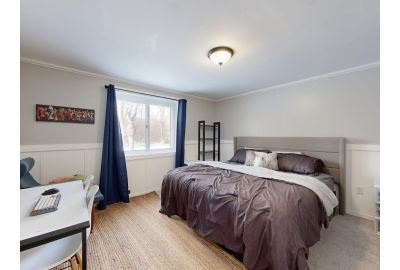
Blackout fabric might seem simple at first glance, but when you look closer, it’s anything but. It is not just dark or thick material. It is made with purpose, built in layers, and designed to suit how we live today. As more homes, care settings, and hotels try to manage light and keep warmth in during the winter, the role of blackout material for blinds becomes even more important. These fabrics are not just about what you see. They are about how your space feels, and how well it works every day.
Today’s windows are different from the ones we used to see decades ago. They are wider, often less deep, and built to let in natural light. That is pleasing when it is bright out, but challenging when you want calm or need to sleep. That is why we want to show how blackout material is made to meet these needs, quietly, effectively, and without getting in the way of your style or comfort.
What Blackout Material Really Is
Blackout fabric is not just dyed a dark colour. The secret is in the structure. It is made to block out light completely, not just dim the room. That happens through a mix of different layers and clever manufacturing approaches.
There are two common types of blackout material:
- Coated blackout fabric, which has a special layer added to the back so light can’t pass through.
- Woven blackout fabric, where threads are built tightly with a backing already included so the blockout effect is woven straight in.
Even though it often looks like one single piece, blackout fabric works in layers. That is what makes it feel soft on one side while still stopping the light from sneaking in through the other. It is built to be more than it appears.
Direct Fabrics supplies blackout fabrics suitable for both coated and woven styles, all flame-retardant and tested for use in homes, care environments, hotels, and schools.
The Layers That Make It Work
When we break blackout fabric into its parts, there are usually three main layers working together. Each of them does a different job.
- The front-facing layer is what you see. It is chosen to look and feel the way you want, whether that is smooth, brushed, or textured.
- The inner blackout layer sits in the middle. This is the shield that blocks the light. In some cases, it is a heavy coating. In others, it is built directly into the weave.
- The backing is often smooth or brushed and helps add extra weight and shape so the blind hangs neatly.
In winter, some fabrics add a thermal backing as well. That helps keep warm air from leaving the room and stops draughts from getting through tiny gaps. Some of these layers handle texture, some do the technical work, and together they strike a balance between comfort and control.
Why It Is Made for Modern Windows
We have noticed windows have changed shape and size over time. More new builds and upgrades feature wide panes, narrow frames, and recesses where blinds sit neatly inside. These changes have made it even more important for blackout materials to behave well once they are hung. That means no sagging, curling, or wrinkling.
Newer blackout fabric is designed with these setups in mind. It holds its shape better, sits flat against the window, and allows for different mount types. That matters when light control depends on a tight fit.
When choosing blackout material, we think about:
- Fabric weight, lighter fabrics are easier to lift and sit well in smaller windows, but still need to block light
- Drop style, whether the blind rolls, folds, or hangs flat can shape the fabric options
- Mounting, inside-mounted blinds need slimmer profiles, while outside-mounted blinds may need more coverage
It is all about picking fabric that suits how the window is built and how the space is used.
Our blackout fabrics are cut to size for both inside and outside mounted blinds, and available in a variety of textures, from matt to smooth and brushed finishes to match different styles and room needs.
How It Gets from Roll to Window
The process starts long before a blind is fitted. Choosing the right blackout fabric means thinking about feel, weight, and how it will install. Then it is cut carefully to size, often with an edge finish to stop fraying or creasing.
A big part of performance comes down to how well it is measured and mounted. Even the best material will struggle if it is too large or small for the window, or if the hanging system does not support the fabric properly.
In some cases, especially with thicker blackout materials, it can help to use professional fitting. That way the blind lays flat, stays secure, and works smoothly every time. A neat fit does not just look better, it blocks more light and creates a cosier feel.
A Good Fit for Comfort and Calm
When winter draws in, dark evenings and cold air can affect how our spaces feel. That is when small changes, like better window coverings, make a noticeable difference. Blackout material for blinds helps create rooms that are easier to rest in by keeping out light and holding in comfort.
From the outside it might look like just one layer, but inside it is doing plenty. Texture, blackout lining, fit, and fabric type all come together to manage warmth, light, and quiet. And while the technical build matters, what we really care about is whether the room feels right.
It is about giving people calm spaces in winter without hassle. When blinds do their job well, we do not think about them, we just notice we are sleeping better, relaxing more, or staying warm longer. That is when we know we have got the right fit.
At Direct Fabrics, we help you achieve better light control and a cosier atmosphere during the winter months by offering fabrics suited to all types of windows and interior styles, whether you prefer a sleek finish or added weight and texture. The right fabric blocks light and makes a room feel warmer and more inviting. Browse our selection of blackout material for blinds to find the ideal match for your needs and contact us for expert advice on the best choice for your space.
Posted On: January 18, 2026