


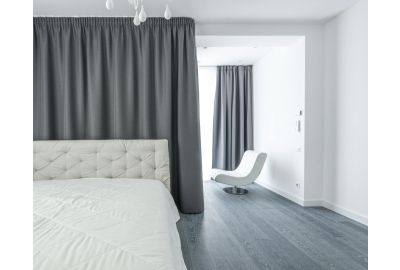
As the clocks change and the days stretch out in spring, many of us notice our sleep gets interrupted. The lighter mornings can sneak in earlier than our alarms, waking us before we’re ready. That’s fine if you’re an early riser, but not everyone wants sunlight beaming through their windows at half past five.
The way your room lets in light can make a big difference to how well you sleep. One choice that helps is using blackout material for blinds. This type of fabric keeps the light out, helping your room stay darker for longer into the morning. It’s a simple change that can support better rest, especially when the seasons shift.
So if you’ve been waking up too early and struggling to nod off again, this might be worth looking at. Let’s talk about how light affects sleep and why spring is a good time to think about blocking it out.
How Early Sunlight Affects Sleep
Our bodies work with something called a sleep cycle. When it’s dark, our brains send out signals telling us it’s time to sleep. When the light comes in, those signals slow down and we begin to wake. This works well in winter when sunrise is later, but in spring those light cues can start a lot earlier than we’d like. Once the sun comes up, even a small amount of light slipping through the blinds or curtains can send the wrong signal. You might find yourself awake before you've had enough rest. And once you're up, it’s not always easy to fall back asleep. This is something many people deal with each spring. It starts with a few mornings waking just before the alarm. Then it turns into broken sleep or feeling groggy during the day. You try closing your eyes, rolling over, pulling the covers up, but once the light’s in, it’s harder to stay asleep. Some common signs the light is waking you too early include:- Waking up earlier during spring than in winter
- Feeling drowsy during the day but unable to sleep in the mornings
- Lying awake before your alarm goes off, without any noise or reason
What Makes Blackout Material Different
Not all blinds or curtains block light in the same way. Many standard fabrics still let some brightness through, especially around the edges or during those bright spring mornings. Blackout material works differently. This type of fabric is built to stop light from passing through completely. It’s thicker and often has layers that stop outside light in its tracks. Direct Fabrics offers blackout materials that are flame-retardant and suitable for roller, Roman, and vertical blinds, giving you a range of options to fit your style and keep your bedrooms dark in spring or summer. When added to blinds, blackout material helps turn a bright room into a calm, shaded space. It’s almost like pressing pause on the sunrise until you're actually ready to face it. The room can stay dim and cosy even as the sun rises earlier outside. We like how blackout lining fits with different types of blinds, too. Whether it’s roller blinds, Roman, or something else, the extra layer blends in and does its job without looking bulky. If it’s fitted properly, it creates a smooth, neat finish with no harsh glare creeping around the sides.Why It Matters More in Spring
The clocks go forward in late March, and by early April, daylight pours in fast. In the UK, that means sunrise might start creeping in before six o’clock. If your bedroom faces east or you have thin curtains, the room can get too bright too soon. That shift happens quickly. One week you’re waking up in the dark, and the next you’re squinting at the ceiling before your alarm even makes a sound. If your sleep is already light, it doesn’t take much to throw things off. Adding blackout material helps bring back some control. It acts like a pause button, holding off the daylight until you’re ready for it. You can wake up when your alarm chimes, not when the light peeks through your blinds. This is especially helpful for children, shift workers, or anyone who needs steady sleep through changing seasons. We’ve found this small change makes a bigger difference in spring than people expect. Once the mornings get brighter, blacking out the room helps keep the body’s rhythm in check.Choosing the Right Setup for Your Room
Every room handles light a little differently. The way your window is shaped, which direction it faces, and even how your furniture is laid out can all affect how well light is blocked. If you’re thinking about using blackout material, here are a few things to keep in mind:- Look at the size and shape of your window. Larger panes or tricky corners might need custom solutions.
- Think about the type of blinds you want. Some styles sit closer to the window and make it easier to block light fully.
- Try lighter colours if your room doesn’t need to feel completely dark. Some blackout linings come in soft greys or creams but still stop the sunlight.