


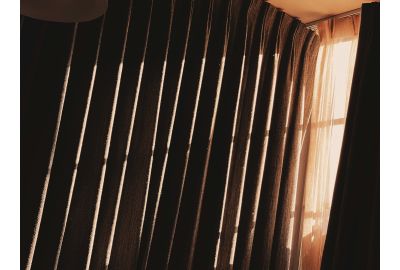
When the weather turns cold, it's only natural to want rooms that feel cosy, snug, and shut off from the outside. Short days and long nights mean we rely a lot more on indoor comfort. One of the easiest ways to improve how a space feels is by adjusting how light enters it. Choosing the right blackout material for blinds helps block unwanted light, but it also affects how the whole room looks.
Everyone wants a space that works well and looks right too. That’s where blackout fabric selection makes a big difference. The thickness, the way it hangs, the colour, and the texture all work together to shape how a room feels. With the right match, your blinds won’t just control light consistently, they’ll blend into your decor or bring out the mood you want.
Why Choose Blackout Materials in Winter
This time of year brings more than just shorter days. Streetlights come on earlier, sunrises feel like they interrupt precious moments of sleep, and chilly air seems to sneak in through every crack. Blackout blinds give us some control over those issues. A well-fitted blackout fabric helps:- Keep bedrooms dark, even when neighbours turn on security lights or lorries pass by
- Reduce heat loss by covering more of the window evenly
- Add privacy in the early evening once the lights are on inside
- Make shared rooms or guest spaces feel more restful and enclosed
Matching Fabric Colour and Texture to Your Decor
Choosing the right look isn’t just about finding a colour you like. It’s more about what fits the rest of the room without asking for too much attention. Neutral shades, cream, soft greys or pale browns, tend to work well in living rooms or spaces with softer lighting. They give the window covering more of a disappearing act, which can help the room feel open. Want the blinds to stand out more? That’s where bold shades or darker tones come in. Deep navy or charcoal adds depth and may match statement furniture or headboards. Soft textures feel warm and homely, while sleeker finishes lean modern and clean. Once you’ve got the colour, think feel. Smooth and flat fabrics have a clean shape when lowered. Heavier, matt materials give off a softened, snug look, which suits older homes or period-style rooms.Choosing the Right Feel for Each Room
Each space in your home might need something slightly different based on when and how it's used. The same blackout material might be perfect in one spot and feel too heavy or dull in another.- Bedrooms do well with darker blackout tones. These shades boost sleep and create a quieter mood.
- For lounges or day spaces, warmer neutrals work better. They help tone down daylight without darkening the room too much.
- In children’s rooms or family spaces, look for printed blackout fabrics. These add some energy without losing the practical benefits.
- Care spaces or temporary rooms might stay more calming with soft colours and easy-to-clean finishes.
How to Tell Which Fabric Will Actually Work
Not all heavy fabrics block light. Some just look the part, but when hung, they still let in slivers of light around the edges or glow through in the morning. To get the best result, it helps to look at how the fabric behaves once installed.- A good blackout material for blinds should have a tight weave and solid backing
- Ask for samples and hold them up to strong light to see where it leaks
- Make sure the fabric covers the window fully from edge to edge
- Think about how stiff or soft the fabric is. Will it pull straight or sit unevenly once fitted?