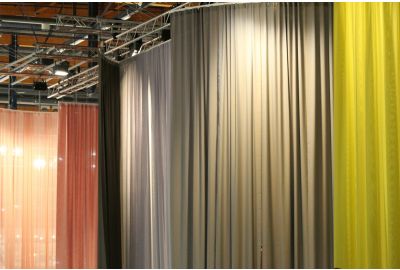
Stage backdrop curtains in the UK do a lot more than just hang behind a performance. They need to cope with quick changes, bright lights, and repeated use, sometimes several times a day. Whether it’s a school play, a community performance, or a touring event, these curtains take a lot of wear. They block out light, help stop sound from bouncing around, and set the tone for everything that happens on stage. The right fabric makes that possible. Some hold their shape better, some give better coverage, and some help keep sound under control. Choosing the right one takes more than picking a colour. If you need curtains built to last, it pays to know what goes into the materials used.

What Makes a Stage Curtain Fabric Durable

Durability often comes down to how a fabric is made. We look for a few key features when judging which materials work best for busy stages.
  • Thick fibres: These don’t break down as quickly and handle repeated use better.
  • Tight weaves: A close weave helps the fabric keep its form and reduces snagging during shifts or pulls.
  • Heavier weights: Heavier curtain fabrics tend to hang cleaner and block more light and sound.
Stage curtains get pulled, folded, and handled a lot. Shows often involve shifting scenes quickly, with curtains sliding open or being gathered fast. Over time, that causes stress on the fabric. Stretches, fades, and small tears can build up if the material isn't built to take it. Across the UK, venues might also face seasonal differences. Wet spring days, hot summer shows, or chilly community halls in early March all affect how the fabric behaves. That means the material needs to work well in both cold and humid spaces.

Popular Fabric Types Used for Backdrops

Some fabrics crop up again and again on UK stages because they offer both strength and performance. Here are a few we consider strong picks for high-use settings.
  • Wool serge: Dense and tightly woven, wool serge hangs beautifully and is a go-to for full blackout curtains. It's heavyweight, which helps block sound and light. Great for larger stages or places with bright stage lighting.
  • Velour: Thicker and softer, velour adds richness to any stage while stopping light from shining through. Its pile gives it a plush texture, and the way it catches light can add visual depth.
  • Inherently flame-retardant polyester: Lighter and easier to clean, this material still holds up well in active venues and meets UK safety rules. It doesn’t rely on surface treatments, which means its protective quality doesn’t wash out.
Direct Fabrics supplies wool serge, premium velour, and inherently flame-retardant polyester fabrics, all tested to UK standards and available in a wide range of colours and weights for venues of all sizes. Each of these materials performs differently when rolled out across a large panel or used in smaller setups. What works in a high school might not work the same in a theatre with lots of movement between scenes. Light control, sound control, and even feel under your hand all make a difference. Picking the best fabric often depends on how the stage will be used and how much handling the curtains will need to withstand over time.

How Fabric Choice Affects Stage Comfort

Thick curtain fabrics do more than absorb light, they help manage noise and temperature too. In busy spaces, even a little bit of sound control makes a real difference.
  • Dense fabrics help soften echoes in large halls or empty stages.
  • Materials like wool serge and velour naturally absorb sound, which helps improve clarity during performances or speeches.
  • When spring and summer hit, thick curtains also provide better control of heat and sunlight, especially for shows that happen during the day.
If your venue runs concerts, school plays, or speaking events in the warmer months, heat can build up quickly. Thick stage curtain materials cut down glare but also shield parts of the room from direct warmth, keeping performers and the audience more comfortable. Over time, the right curtain choice helps ensure that every event is a little smoother for both crowd and performers.

Matching Fabric to Venue and Use

No two venues work exactly the same, so it helps to pick fabrics that fit the space and schedule. A production that tours village halls will need different backing than one set permanently in a town theatre.
  • Touring acts may benefit from lighter, wrinkle-resistant fabrics that fold well and bounce back easily.
  • Schools might prefer easy-clean materials that hold up to quick setups and takedowns.
  • Fixed-style community stages can often support thicker fabrics, thanks to solid curtain tracks or installed counterweight systems.
How fabrics are hung makes a difference too. Some curtains need pleats and fullness to block light properly. Others work best when stretched tight. Weight also affects how well they move, heavier fabrics can provide drama and control, but they’ll need stronger tracks or more support. Cleaning plays a role here too. If curtains are packed away between events, the fabric should resist creases and stains. If they stay up all year round, they must handle sunlight, dust, and the occasional grab or shuffle without showing too much wear. Good-quality fabric will hold up to repeated cleaning and changes while keeping its colour and protection.

Built for Repeat Use: Why Fabric Quality Matters Long-Term

Good stage curtains are more than a one-time investment. Poor-quality materials show wear quickly, meaning more replacements or repairs down the road. Choosing something built to last reduces those future headaches.
  • Stronger fibres resist tearing and fraying.
  • Flame-retardant coatings or properties that don’t fade after wash keep things safe year after year.
  • Colourfast designs show fewer signs of fading even after multiple performances under warm lights.
Direct Fabrics curtains are designed for repeated use and frequent handling, combining strength, colour retention, and safety in every stage backdrop. When we talk about reliable stage backdrop curtains in the UK, we think long-term. These fabrics need to look good, feel solid, and perform reliably across dozens of events. A quick fix is tempting, but the right fabric avoids the cycle of fixing or replacing curtains season after season. Investing time in choosing the proper materials means your stage presentation remains consistent, which lets you focus more on the performance itself.

A Smarter Stage Starts with the Right Fabric

Busy stages need fabric that works hard behind the scenes. Whether you're handling rehearsals that stretch into evenings or summer shows packing out community halls, curtain choice makes a difference. Lightweight or heavy, lined or sheer, the right selection helps sound stay clear and light stay put. Understanding how each fabric behaves helps shape everything from the look of a scene to how comfortable the air feels in the room. When setup, sound, and style all matter, the best start is knowing you’ve picked the right materials to support every show ahead. At Direct Fabrics, we understand that busy venues require curtains that withstand frequent use while maintaining their appearance and performance. Quick scene changes and summer heat can take a toll, so choosing the right material matters. That’s why we offer reliable, long-lasting stage backdrop curtains in the UK designed for demanding environments. Our team is here to help you find the perfect solution for your space, reach out today, and let’s discuss your requirements.