


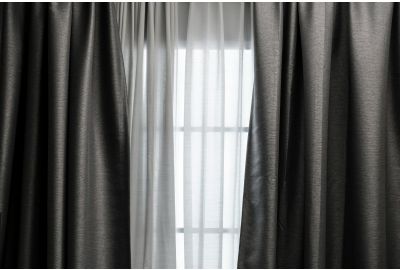
Longer days, brighter skies and a bit more sunshine all signal that spring is here. While the light is welcome in many ways, it can quickly become a nuisance indoors. Bedrooms that were cosy and dark in winter now start to glow early in the morning. Living rooms get flooded with light when you’re just trying to relax or see the TV. And when workspaces at home or in care settings feel too bright, it can disrupt tasks or rest.
This is where the right blackout material for blinds becomes a simple solution. It helps to block out light where it’s not wanted, especially around edges where it likes to sneak through. If you’ve ever tried to sleep and found a stripe of sunshine cutting across the pillow, you know how frustrating it can be. These kinds of light leaks aren’t just annoying, they can affect sleep, comfort and how a space feels overall.
What Causes Light Leaks Around Blinds
Standard blinds often leave gaps around the sides, top or bottom. While they block most of the sunlight, they don’t seal the window completely. Most blinds hang inside the window frame, so even if the fabric is thick enough, light still finds a way through the cracks. Some common issues include:- Gaps at the edges where the blind doesn’t touch the wall
- Light slipping in through cords, slats or stitching
- Blinds not wide or tall enough to fully cover the glass
Picking the Best Material for Blocking Light
Not all fabrics are good at blocking out light. Some look thick but still let sunlight shine through once the room brightens up. That’s why blackout material works differently. It’s made with layered fabric designed to stop light from passing through at all. Proper blackout material for blinds has a tighter weave and usually includes a coated backing or multiple layers pressed together. Here are a few things that help blackout fabrics do their job better:- Thicker fabrics reduce light coming through the surface
- Darker colours usually stop more light than lighter ones
- Special linings help seal out light from both sides
Fitting and Placement: Getting the Most from the Right Material
Having the right fabric is a good start, but the way it’s fitted matters just as much. Light can still slip in around the corners if a blind is too small or not hung straight. That’s why we always find that professional fitting tends to give the best outcome. Look for signs of poor fit like slivers of sunlight creeping in from the top corners or shadows casting across the room even when blinds are closed. These are usually signs that the blind isn’t sitting close enough to the wall or frame. Some blinds are cut to size but still leave tiny gaps once they’re mounted. There are a few ways to improve how blackout material works:- Fit blinds wider than the frame to block edge light
- Add side channels or battens to cover the gaps
- Use pelmets at the top to shut out overhead light
Seasonal Shifts: Why Spring Is the Right Time to Check
The start of spring feels lighter almost overnight. Clocks go forward, and morning light creeps in earlier every day. By late April, many rooms feel too bright before 6am. It’s not just bedrooms either. Lounges, dining rooms and breakout areas can glare with sunlight, making it harder to relax or work. That’s why this time of year is a smart moment to double-check blinds and curtains. We find small upgrades now can help avoid bigger discomfort as summer stretches on.- Early daylight disturbs sleep unless windows are properly covered
- Extra light can heat up rooms too fast and leave them feeling stuffy
- Glare on screens or tables makes daily tasks harder to manage