


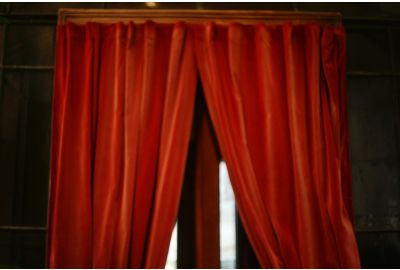
Flame-retardant stage curtains aren’t just there to look good. In places where people gather to watch a show, like schools, theatres, care homes, or even village halls, those thick layers of fabric need to do more than block light or sound. They help protect everyone in the building if something goes wrong.
As spring turns into summer, many performance venues start to get busier. With extra rehearsals, plays, concerts, and school productions picking up, it’s an ideal time to check if your curtains are still up to safety standards. The materials you use, especially for stage backdrop curtains in the UK, matter more than most people realise. We’ve laid out what to check so you can feel confident everything on stage is both safe and suitable.
Why Flame-Retardant Curtains Matter on Stage
Stage curtains are pulled tight around lighting rigs, speakers, and other warm bits of kit. That close contact means the fabric used on stages needs to do more than just hang and look neat, it should block or slow fire if it ever catches.- Public performance spaces in the UK are required to use flame-retardant materials
- Curtains often sit near hot lights, electrical gear, or pyrotechnics
- A flame-retardant fabric can slow the spread of fire, giving people more time to exit the space
- Fire-safe curtains help venues pass routine fire inspections in schools, care homes, churches, and community halls
Fabric Qualities That Make a Difference
Not every heavy or thick fabric is flame-retardant. Just because something feels dense doesn’t mean it will pass fire safety checks. It's not just about how the fabric looks, it’s about how it’s made or treated.- Wool serge and cotton velvet are common choices as they usually test well under UK safety ratings
- Fabric needs to be treated or woven with flame-retardant features that meet national standards
- Make sure the flame-retardant properties will last through cleaning without washing out
- Look for clear labelling and valid certificates that show proper testing and safety approval
Matching the Curtain to the Space
Performance spaces can be huge or modest, permanent or portable. The curtain you choose needs to match both the size of the area and what kind of use it gets.- Larger stages often need heavier curtains that also help stop sound bouncing around
- Touring groups or school plays might benefit from lighter options that are still fire safe
- Curtain colour can affect flame treatment, since certain dyes react differently to heat exposure
- Regular use and easy maintenance matter too, especially in school halls or places with busy schedules
Common Mistakes to Avoid
It’s easy to make small errors when choosing something that looks simple but supports safety behind the scenes. Some choices that seem harmless can put people at risk later on.- Avoid using household fabrics or decorative panels that haven’t been fire-tested
- Don’t assume that dark or heavy fabric means it's flame-retardant
- Always check certificates, especially when ordering something new or swapping out old curtains
- Older curtains might not meet current safety rules anymore, even if they were fine years ago
Local Considerations for UK Venues
Across the UK, rules for stage materials are fairly clear, but not every venue falls under the same expectations. Using a fire-retardant curtain in a high school is different from setting one up in a village hall.- To meet legal standards, all public-use spaces should follow flame-resistance testing and labelling rules
- Large venues with fixed auditoriums may face stricter requirements than a school drama stage
- When buying stage backdrop curtains in the UK, it's best to work with suppliers who understand these details
- Some councils or districts in the UK might add their own inspection cycles, so requirements can vary slightly