


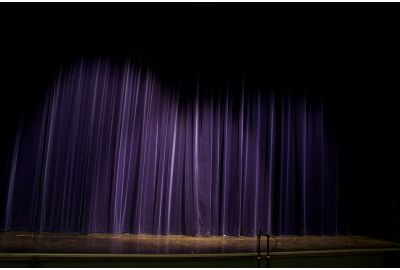
When you're getting a stage ready, whether it’s for a school play, a local theatre group, or a touring production, the curtain you choose can make all the difference. Stage backdrop curtains in the UK need to do more than just look good. They help control sound, light, and the flow of the performance. They also need to suit the space you’re working in, which can vary a lot from one venue to the next.
We’ve worked with all kinds of venues over the years, and the right curtain really does help the performance feel polished. Some setups need full blackout. Others need a curtain that’s light enough to move with ease. Here’s a closer look at the types of curtains you’re most likely to see across UK stages, and why they’re chosen.
Heavy Curtains for Full Coverage
For bigger venues, or performances that need light and sound control, heavy curtains tend to be the go-to. These are harder to move but do a great job when audience focus and clarity matter.- Traditional velvet is thick, soft, and creates that dramatic stage look many people expect. It’s great for blocking light and sound, so you’ll often see it in theatres and concert halls where the curtain stays closed before a performance starts.
- Wool serge is another popular choice. It’s strong and hangs well, but it’s also softer and more breathable than velvet. This makes it useful for venues where the curtain needs to move easily without losing its structure. It also helps absorb sound, which is a benefit in echo-prone halls.
Lightweight Options for Versatile Use
Not every venue has a full technical crew or stage manager on hand. That’s where lighter curtain options come in. They’re a practical choice for schools, temporary staging, or community centres where things need to go up and come down quickly.- Synthetic blends like polyester are widely used for this kind of setup. They’re lighter in weight, easier to carry, and fold or roll up without as much care. That means a few people can manage setup without special gear.
- Some of these curtains are still blackout, even if they’re thinner. That gives flexibility when the performance still needs light control but doesn’t have the rigging for heavy installations.
Layered Setups and Flexible Designs
In some venues, one curtain isn’t enough. That’s where layered setups come in. These systems use different fabrics together to let you change the look or control of the space throughout the event.- Sheer curtains in front of blackout ones can create soft lighting effects or visual depth. This is helpful in performances where lighting plays a key part in the mood.
- You can draw one curtain fully closed without cutting off all the light, then add or remove a darker layer depending on the scene.
Custom Fits and Curtain Tracks
Getting the curtain to look right isn’t just about fabric. Size and fit matter just as much. If your backdrop sags, is too short, or doesn’t line up, the whole scene feels off. That’s why we always recommend planning based on exact measurements.- Curtains need to match the width and height of the space, and the type of gathering or pleating affects how much fabric is needed.
- Track systems vary too. Some are simple and hand-drawn, good for smaller venues or short-term stages. Others are fixed with pulley systems or automated runners, which make more sense in theatres and larger halls.
- For schools and public spaces, safety matters. Choosing fabrics that are flame-retardant and easy to move helps reduce risk and keeps day-to-day use simple.
Practical Curtain Features for UK Venues
Stage setups in the UK need to work well across seasons, and winter brings its own set of challenges. Since most halls, schools, and small venues aren’t entirely climate-controlled, the fabric you pick needs to suit the weather too.- Flame-retardant materials are a must. This helps meet current public safety standards and is required for most public-use venues.
- Darker colours and matt finishes work better under stage lighting. They prevent reflections that can distract or throw off lighting effects.
- Heavy or moisture-resistant fabrics can help in damp or cool buildings, especially during colder months when condensation and chills are more common.