Our website uses cookies and similar technologies to personalise the ads that are shown to you and to help give you the best experience on our websites. For more information see our Privacy and Cookie Policy
Double wave curtains are a sleek, modern solution for window treatments, offering style, functionality, and versatility. This guide provides an in-depth look at double wave curtains, including installation options, practical tips, and their benefits. Let’s dive into everything you need to know to choose and install double wave curtains for your space.
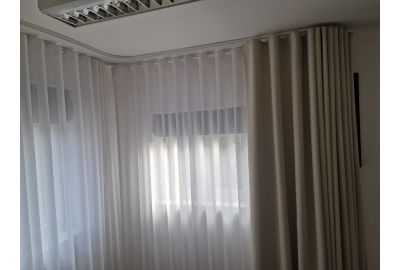
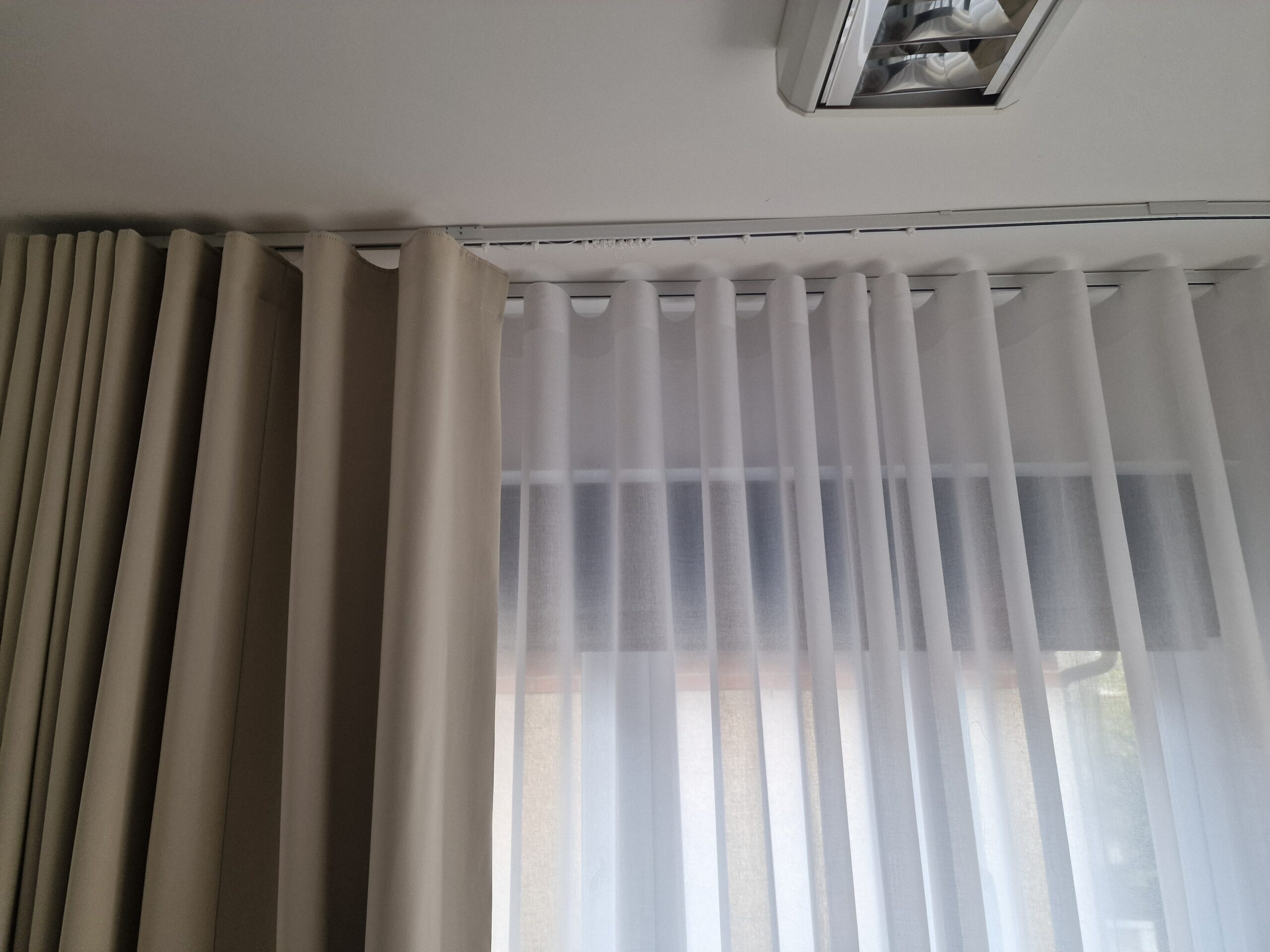
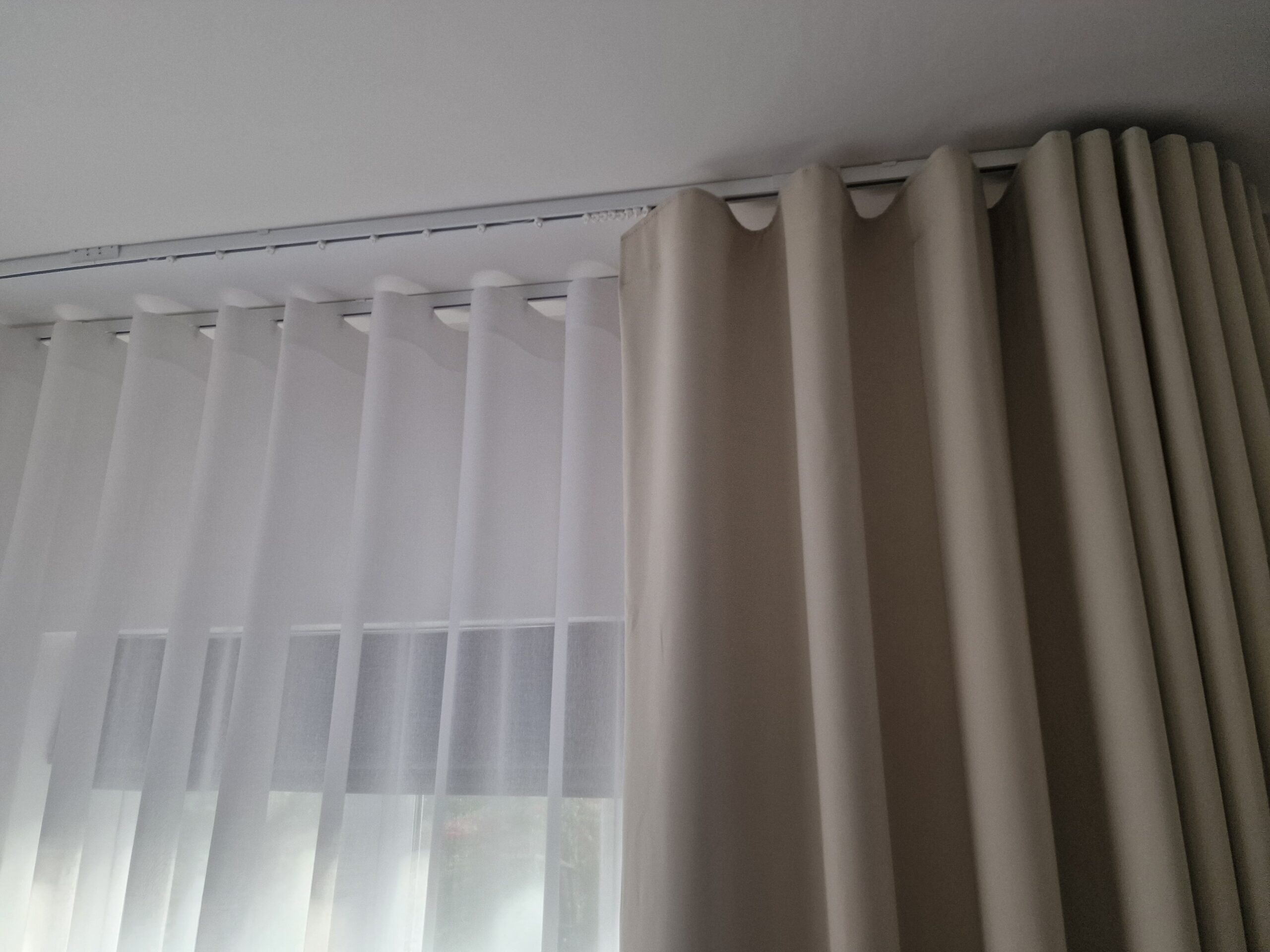
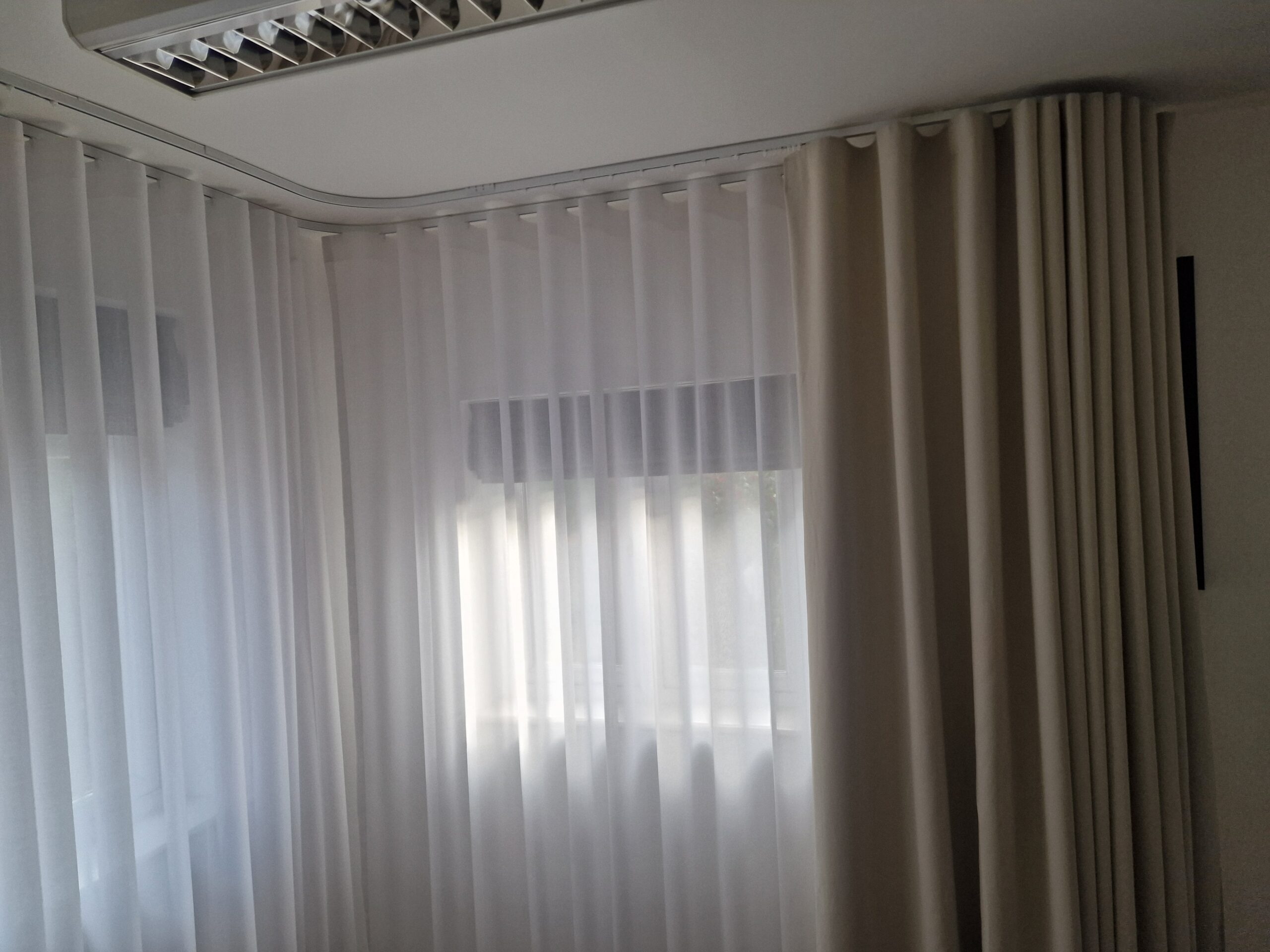
Double wave curtains use two separate curtain tracks to layer fabrics for a functional and elegant window treatment. The setup often consists of:
Front Layer: A heavier, lined fabric, such as a blackout curtain, to block light and provide insulation.
Back Layer: A lightweight, sheer voil or transparent fabric for daytime privacy and diffused natural light.
The "wave" design refers to the uniform pleats created along the curtain track, resulting in a contemporary, flowing look.
Why Choose Double Wave Curtains?
Day and Night Functionality:
Daytime: The sheer voil allows light to filter through while maintaining privacy.
Nighttime: The heavier blackout curtain ensures a restful environment by blocking light.
Aesthetic Appeal:
The wave pattern creates soft, flowing lines that add sophistication to any room.
Perfect for achieving a minimalist or modern look.
Practical Benefits:
Layers improve insulation, reducing energy costs.
Flexible light control options.
Installation Options
Double wave curtains can be installed using two primary methods:
1. Ceiling-Fixed Tracks
Ceiling-fix installations provide a clean, streamlined look with curtains hanging directly from the ceiling to the floor. This approach works well for:
Floor-to-ceiling windows or sliding doors.
Achieving a seamless, hotel-like appearance.
Key Considerations for Ceiling-Fix:
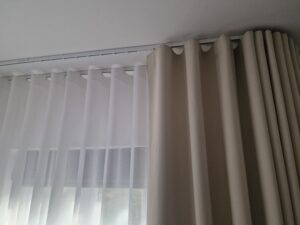
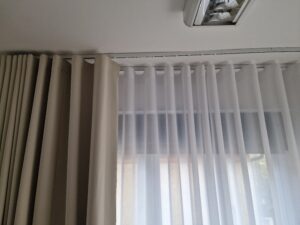
Spacing: Ensure there’s sufficient space between the two tracks to accommodate the wave pleats. A standard 80mm wave requires a forward and reverse allowance of 8cm each. Leaving 10cm of spacing is ideal.
Track Type: Use heavy-duty contract tracks for durability and smooth operation.
Return: Add a return to the front blackout curtain for improved light-blocking efficiency.
2. Wall-Fixed Tracks
Wall-fix installations are mounted on brackets fixed to the wall. This option is suitable for rooms with high ceilings or when ceiling fixing isn’t feasible.
Key Considerations for Wall-Fix:
Double Brackets: Use double brackets to provide enough spacing between the front and back tracks.
Alternative Wave Size: For tight spaces, consider a 60mm wave to reduce the overall depth.
How to Create the Perfect Double Wave Setup
Choose the Right Fabrics:
Front Layer: Opt for blackout or lined fabrics to ensure privacy and block light.
Back Layer: Choose sheer voils or lightweight fabrics to diffuse natural light.
Measure Carefully:
Measure the width of your track and add fullness to calculate the required fabric. For wave curtains, a standard fullness ratio is 2:1.
Consider Additional Window Treatments:
Add a Roman blind in the window recess for extra insulation and light control.
This combination enhances the room’s energy efficiency and overall aesthetic.
Spacing Tips:
Leave at least 10cm between the two tracks for smooth operation and proper pleat formation.
For optimal performance, ensure the pleats run freely without interference between the layers.
Benefits of Double Wave Curtains
Elegant Appearance: The uniform waves create a polished, high-end look.
Layered Functionality: Control light and privacy with separate layers for day and night.
Versatility: Works in both residential and commercial settings, from living rooms to hotel suites.
FAQs About Double Wave Curtains
Q: Can I install double wave curtains myself?
A: Yes, with the right tools and careful measurements, DIY installation is possible. However, professional installation ensures the best results, especially for ceiling-fix tracks.
Q: What’s the difference between an 80mm and 60mm wave?
A: The 80mm wave creates deeper, more dramatic pleats, ideal for large windows or tall curtains. The 60mm wave is a compact alternative for tighter spaces or smaller windows.
A: Yes, wave curtains require specific wave tracks with gliders to maintain the uniform pleat design.
Why Buy From Direct Fabrics?
At Direct Fabrics, we offer high-quality curtain tracks and a wide range of fabrics to suit your needs. Our heavy-duty contract systems ensure durability and smooth operation, while our expert team can guide you through every step of the process.
If you have questions or need assistance, contact our team today. Whether you're designing a cozy bedroom or a professional space, Direct Fabrics is your trusted partner for all things curtains.
Ready to transform your space? Explore our collection of double wave curtain fabrics and tracks at www.direct-fabrics.co.uk.