


Warmer in winter. Cooler in summer. Proven in the lab.
We sent our curtain fabrics and linings to two independent European laboratories. Here is what they found, in plain English.
Which curtain is right for your room?
Pick the one that matches what you want most. Our UK team can help if you are not sure.
Blackout curtain, no lining
A blackout fabric with a white back. Great for bedrooms and sunny rooms.
- Winter32% less heat lost
- Summer~50% sun heat out
- Light100% blocked
Blackout curtain + Light Out lining
Two layers for the most warmth in winter.
- Winter40% less heat lost
- Summer~50% sun heat out
- Light100% blocked
Soundproof curtain + acoustic lining
Our Werringbone soundproof curtain with Acoustic Thermal Blackout lining.
- Winterabout 38% less
- Summer~48% sun heat out
- Noisereduced
Your choice of fabric + blackout lining
Choose any curtain fabric. Our blackout lining adds the performance.
- Winter36–41% less
- Summer~50% sun heat out
- Light100% blocked
All figures are lab results. Real homes will see a bit less. See “What to expect at home” below.
Keeping the heat in
Windows are where most rooms lose heat fastest. A closed curtain traps a layer of still air against the glass. That air slows the heat escaping and stops the cold draught falling off the window.
What we learned: the type of fabric hardly matters. Every fabric we tested scored almost the same. What makes the real difference is adding a lining. See our blackout linings.
Less heat escaping through the window. Tested by STFI, Germany, 2023.
You will feel it: with the curtain closed, the air next to the glass was about 6°C colder. That is cold being held back at the window instead of reaching you.
Jargon buster: winter
- Heat loss
- Warmth escaping from your room to the cold outside. Windows lose heat much faster than walls.
- Thermal curtain
- A curtain designed to slow that heat loss. Ours are lab tested so you can see how much.
- Lining
- A second layer sewn behind the curtain, facing the window. It adds a second barrier.
- “Less heat through the window”
- This is heat lost through the window only, not your whole home. It is not the same as your heating bill falling by that much.
Keeping the sun’s heat out
In summer it works the other way. The white back of our blackout linings and blackout fabrics faces the window and bounces up to 70% of the sunlight straight back out.
The result: roughly half the sun’s heat is kept out of the room, plus 100% of light and 100% of UV that fades floors and furniture.
What we learned: the side facing the window does the work. So the colour of your curtain on the room side does not change the result.
Sun’s heat kept out
With modern double glazing. Tested by Sonnergy France, 2022.
Shop the linings: Light Out · Drapewell · Acoustic Thermal Blackout
Jargon buster: summer.
- Solar heat
- The warmth that comes in with sunshine. It is why a south-facing room overheats.
- Reflect
- Bounce back. A white surface reflects sunlight; a dark one soaks it up as heat.
- Blackout
- Lets no light through at all. Tested at 0% light for all our blackout materials.
- UV
- The part of sunlight that fades fabrics, floors and furniture. Our blackout materials block 100%.
- Modern double glazing
- Most windows fitted since the early 2000s, with an invisible coating on the glass. Older double or single glazing lets in more sun, so our curtains block even more there (up to 67%).
Independent labs. Full reports. Nothing hidden.
We did not test these ourselves. Two independent specialist laboratories did, and you can read every page of their reports.
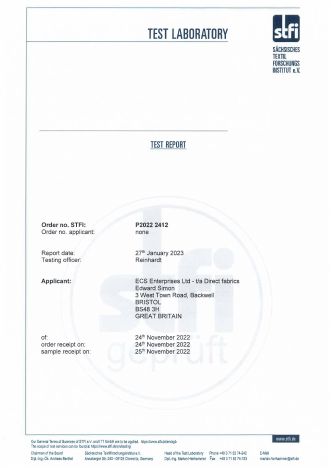
STFI, Germany (winter tests)
The Saxon Textile Research Institute in Chemnitz, an accredited testing laboratory. Tested 5 fabrics and linings, then 6 curtain-and-lining pairs.
Read the full reports PDF 1 PDF 2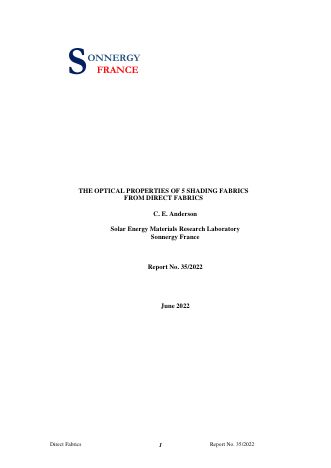
Sonnergy France (summer tests)
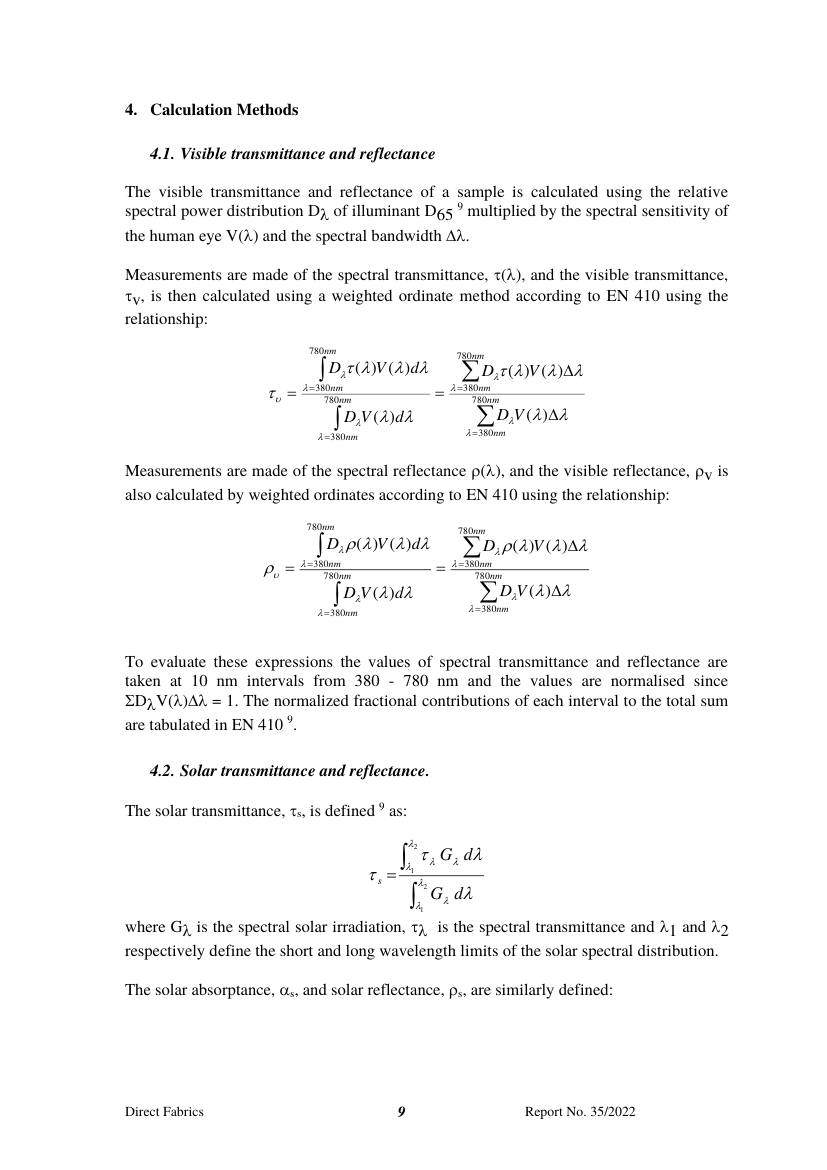
A specialist solar materials laboratory. It is a member of the international committee on measuring glass, and its work is referenced in the European standard for glazing (EN 410).
Read the full reports PDFJargon buster: testing
- Independent lab
- A testing company with no stake in the result. We paid for the tests; we did not run them.
- Accredited
- Checked by an official body to prove the lab tests correctly and consistently.
- Test report
- The lab’s written results. It is not a certificate or approval, it is a record of what was measured.
- Standard
- An agreed method (like a recipe) so results from different labs can be compared. Details are in the appendix.
What to expect at home
- A bit less than the lab. In the lab the curtain edges were sealed. At home, air slips round the sides and top, so results will be lower.
- Comfort first, savings second. The biggest change most people notice is no cold draught by the window in winter and a cooler room in summer. Heating savings are modest: expect a few pounds per window each year.
- Close them at the right time. At dusk in winter. Before the sun hits the window in summer.
- A little more condensation. Because the glass stays colder, you may see more moisture on it on winter mornings. Open the curtains and let the room breathe.
Five simple fitting tips
Go wider
Fit the track well past each side of the window so the curtain overlaps the wall.
Go higher
Fit the track above the window, or on the ceiling, so less air escapes over the top.
Go longer
Curtains to the sill or floor stop cold air spilling out underneath.
Add a lining
The biggest single upgrade for winter warmth in our tests.
Use a strong track
Lined curtains are heavy. A metal heavy-duty track keeps them closing fully.
Common questions
How do you compare with other suppliers?
We publish our full independent lab reports, and every figure on this page comes from them. When comparing, ask any supplier for their test reports. If they cannot show you one, you are relying on a claim rather than a measurement.
Will thermal curtains cut my heating bill by 30%?
No, and be wary of anyone who says so. The percentages are for heat lost through the window, which is only part of your home. Expect a few pounds per window each year on gas heating, more with electric heating or older windows. The comfort difference is what people notice most.
Do I need a lining with a blackout fabric?
Not for blackout or summer heat. The white coated back already blocks all light and bounces the sun away. A lining does add winter warmth: in testing, a blackout fabric went from 32% to 40% with our Light Out lining behind it.
Is one fabric warmer than another?
Not really. Every fabric we tested scored 31 to 32% on its own. Choose the look you love and add a lining if warmth is your priority.
Is the soundproof curtain also thermal?
Yes. Our Werringbone soundproof curtain scored 31% on its own and about 38% with a lining, in line with our other fabrics. You do not give up warmth for quiet.
Are blackout curtains warmer than dimout?
In winter, no: our dimout and blackout fabrics scored the same. In summer, a blackout lining or blackout fabric with a white back keeps far more of the sun’s heat out.
Can I read the full reports?
Yes, every page. They are in appendix G at the bottom of this page, and available as PDF downloads.
The full figures
For anyone who wants the detail: specifiers, facilities managers, or the simply curious. The complete lab reports are in section G.
A. Winter results in full (STFI)
Single layer (report P2022 2412, 27 January 2023)
| Material | Type | Air at the glass | Less heat through window |
|---|---|---|---|
| No curtain | – | 20.5°C | – |
| Mimas | Dimout curtain fabric | 15.3°C | 32% |
| Horizon | Blackout curtain fabric | 15.5°C | 32% |
| Werringbone | Soundproof curtain fabric | 15.3°C | 31% |
| Light Out | Blackout lining | 15.4°C | 31% |
| Acoustic Thermal Blackout | Fleece lining | 15.1°C | 31% |
Lining + curtain (report P2022 2412.1, 5 June 2023)
| Lining (window side) + curtain | Air at the glass | Less heat through window | Margin of error |
|---|---|---|---|
| Light Out + Mimas | 14.5°C | 41% | ±2% |
| Light Out + Horizon | 14.6°C | 40% | ±3% |
| Light Out + Werringbone | 14.4°C | 38% | ±6% |
| Acoustic Thermal Blackout + Mimas | 14.4°C | 38% | ±2% |
| Acoustic Thermal Blackout + Werringbone | 14.4°C | 38% | ±6% |
| Acoustic Thermal Blackout + Horizon | 14.4°C | 36% | ±3% |
Many results overlap within their margin of error, so treat 36 to 41% as one group rather than a ranking.
B. Summer results in full (Sonnergy France)
Measured properties (report 35/2022, June 2022)
| Material | Sunlight reflected | Light through | UV blocked |
|---|---|---|---|
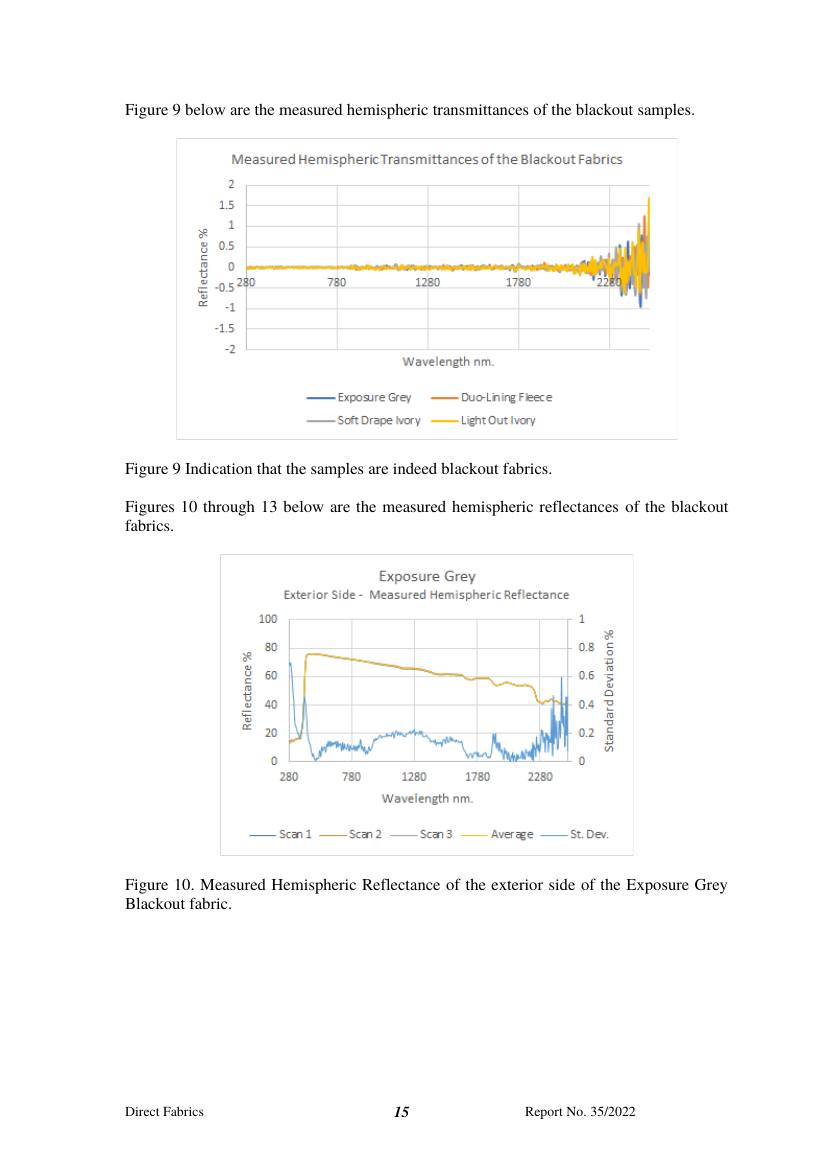
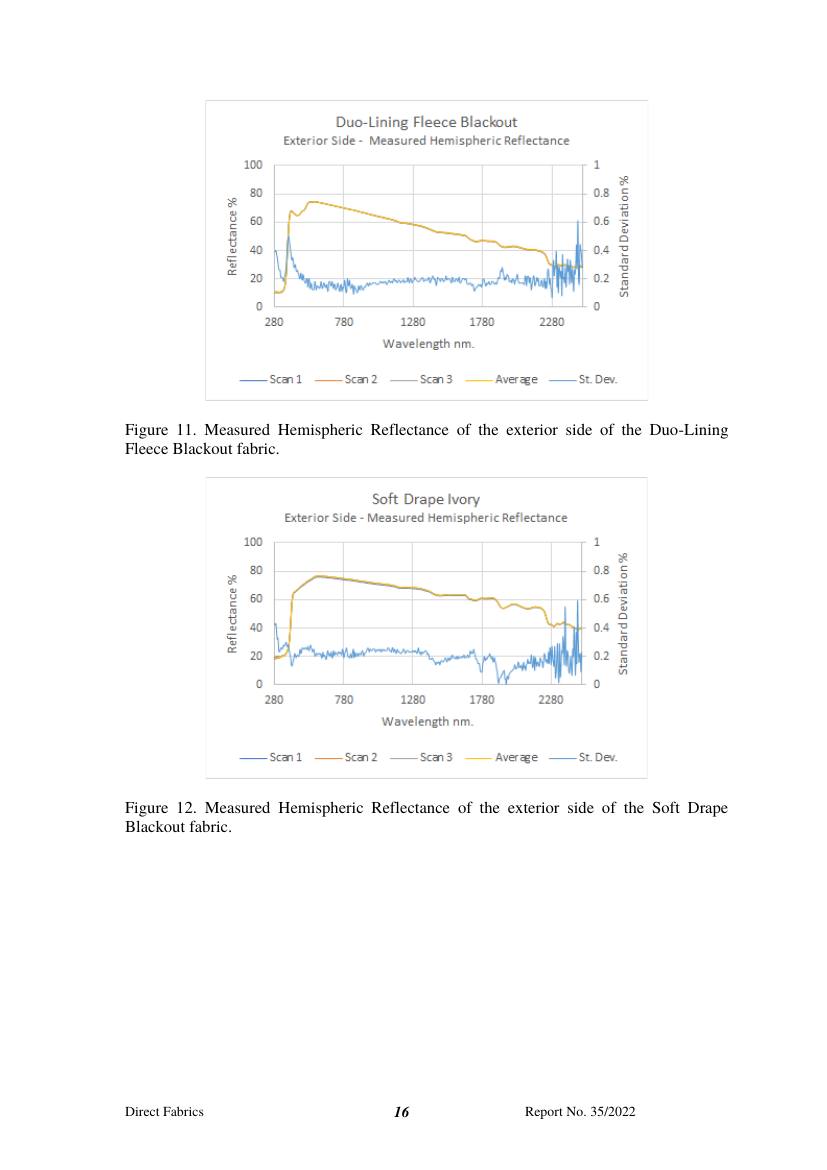
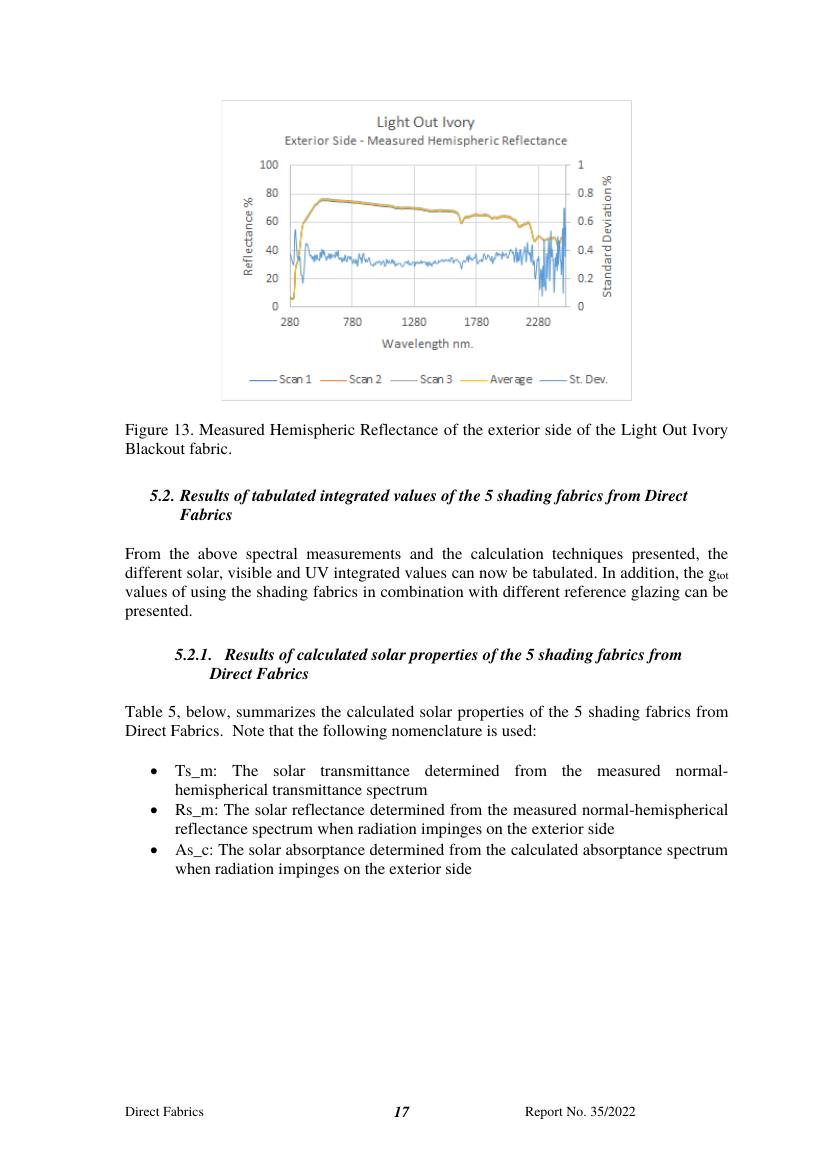
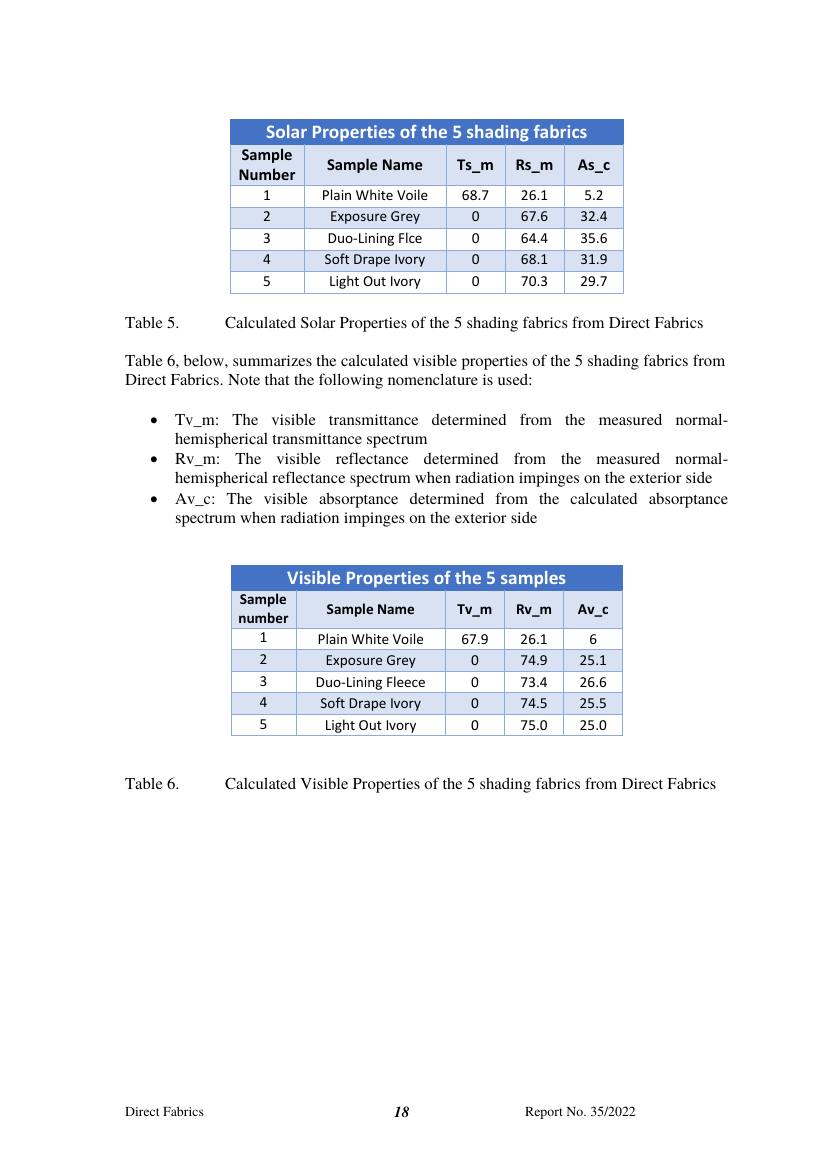
| Light Out lining | 70% | 0% | 100% |
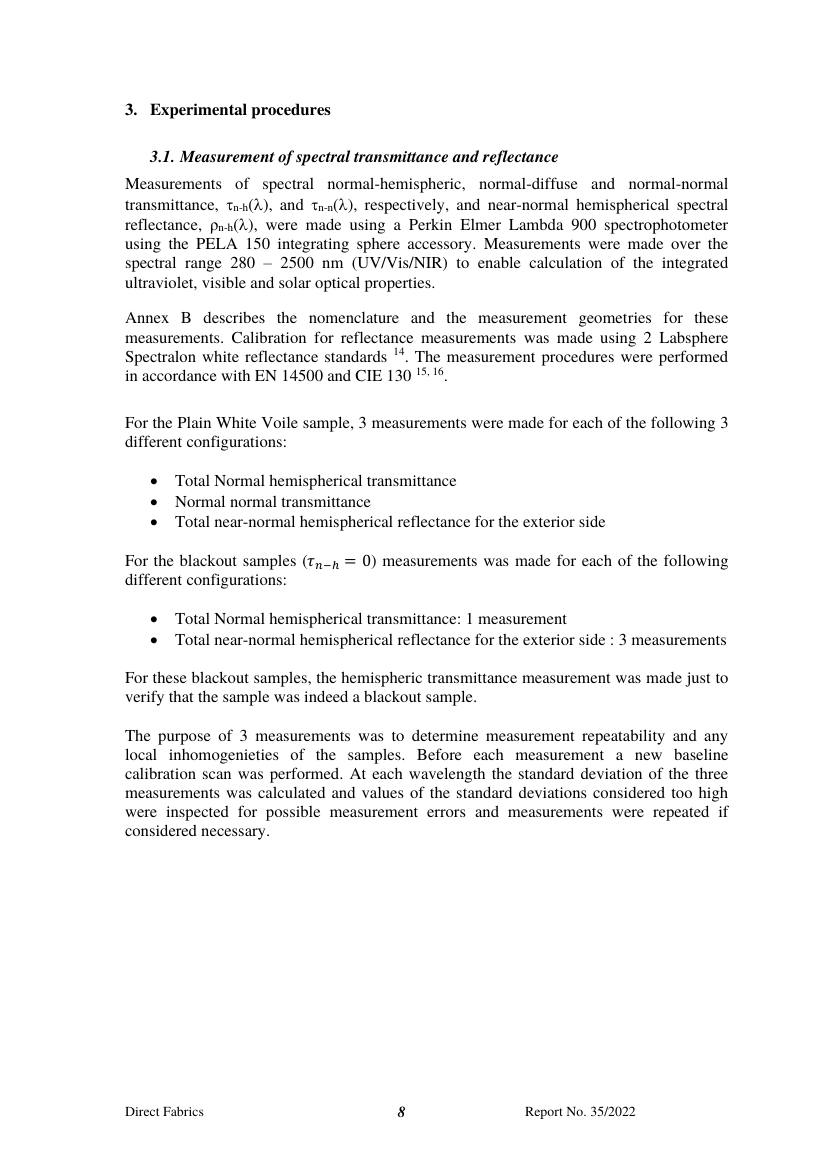
| Drapewell lining | 68% | 0% | 100% |
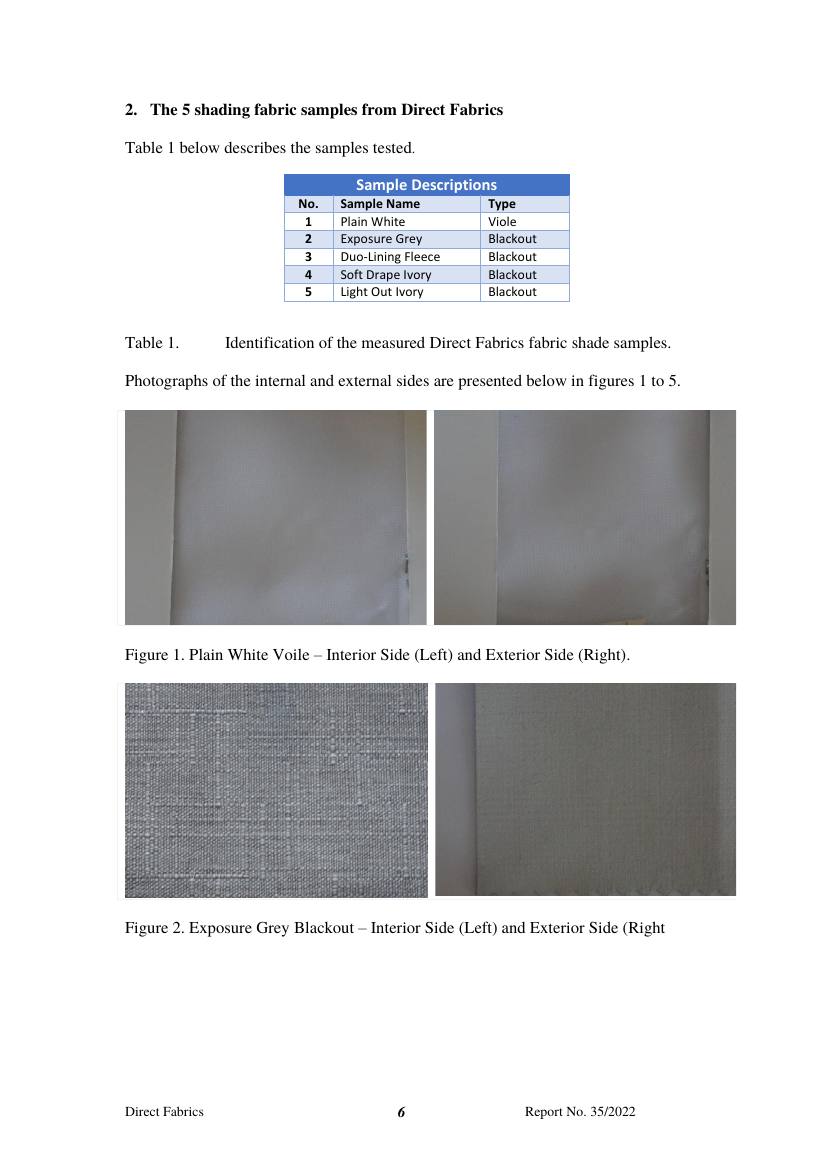
| Exposure blackout curtain (Grey, unlined) | 68% | 0% | 100% |
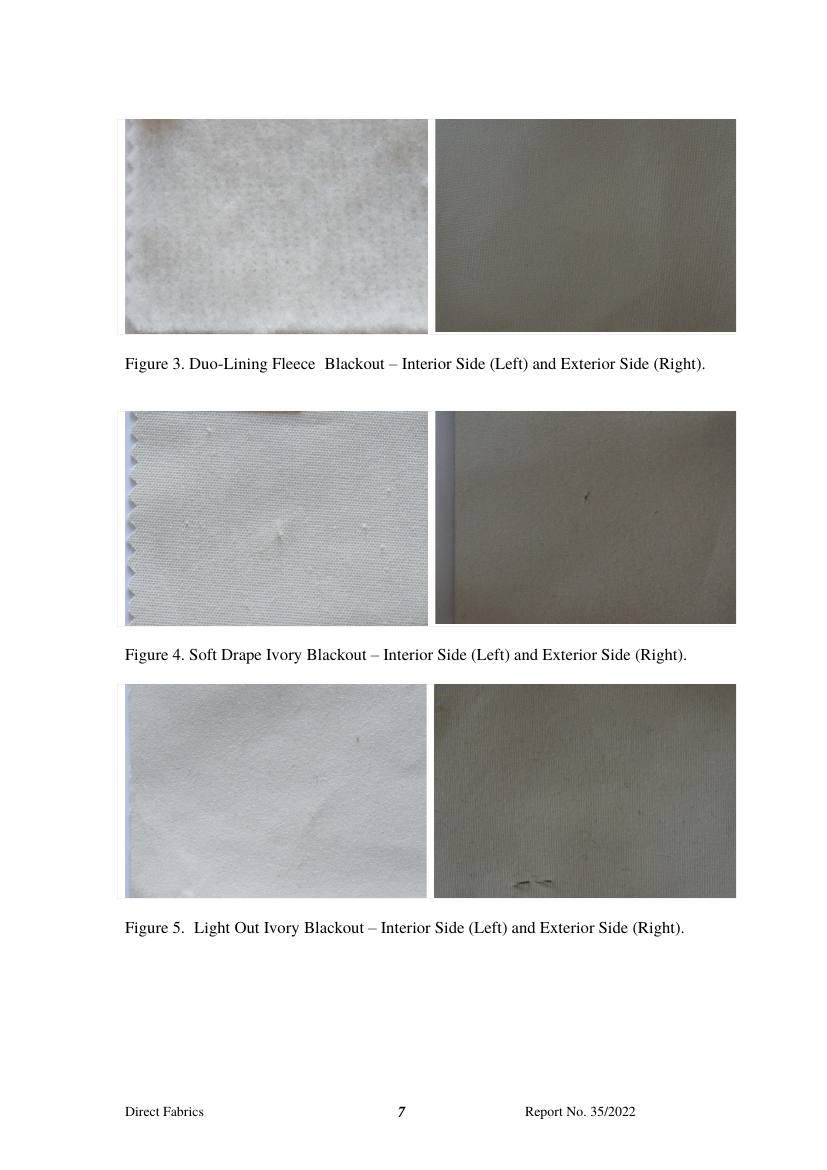
| Acoustic Thermal Blackout lining | 64% | 0% | 100% |
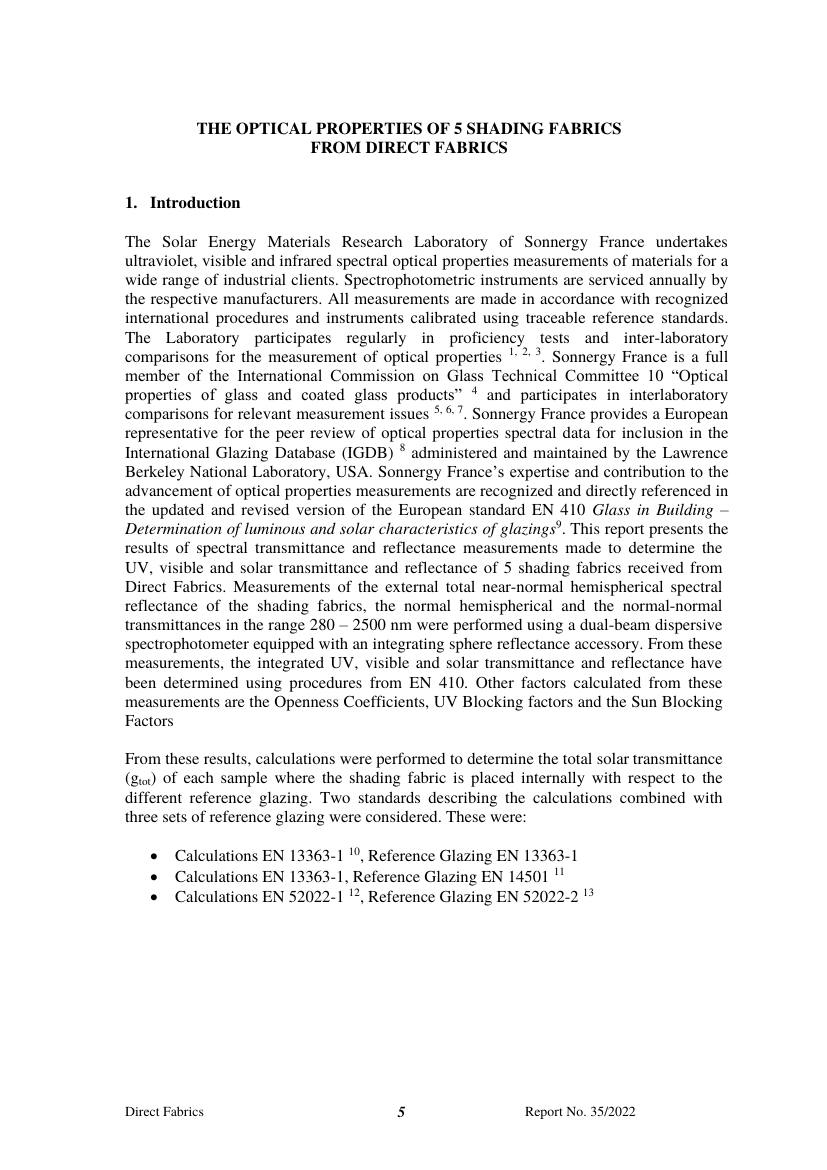
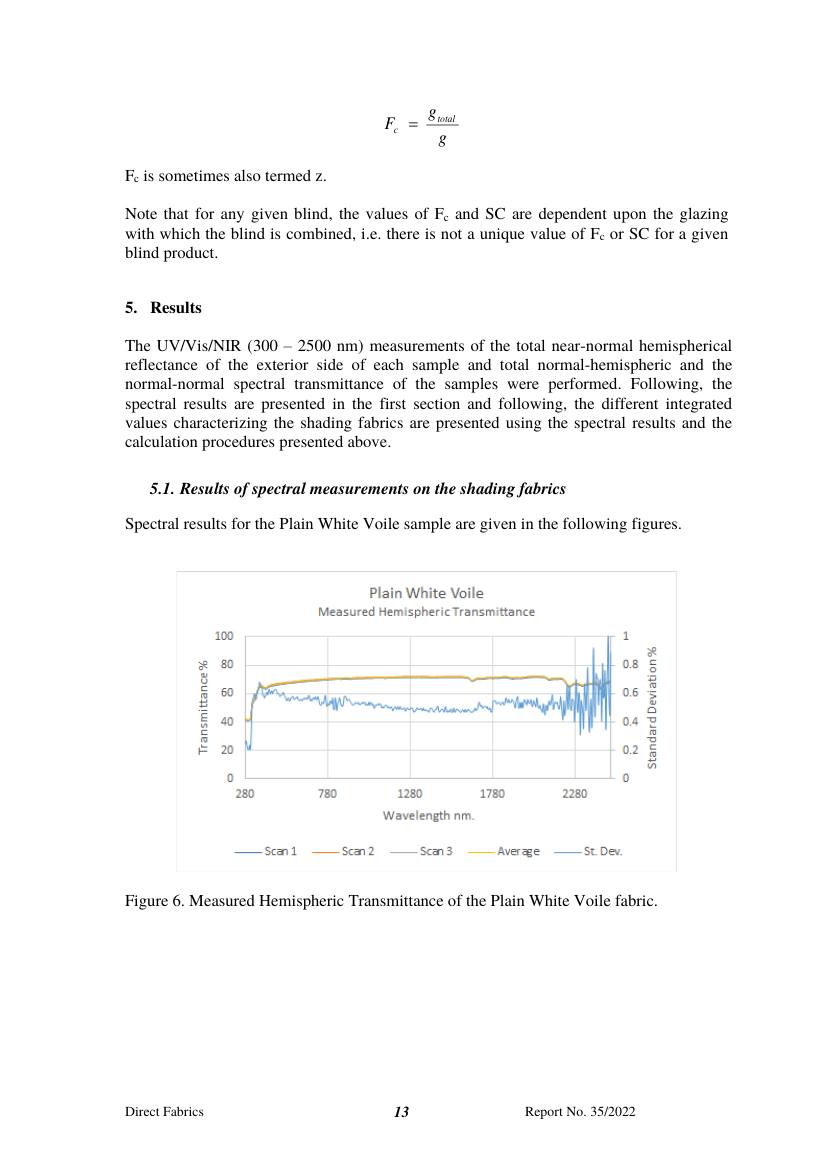
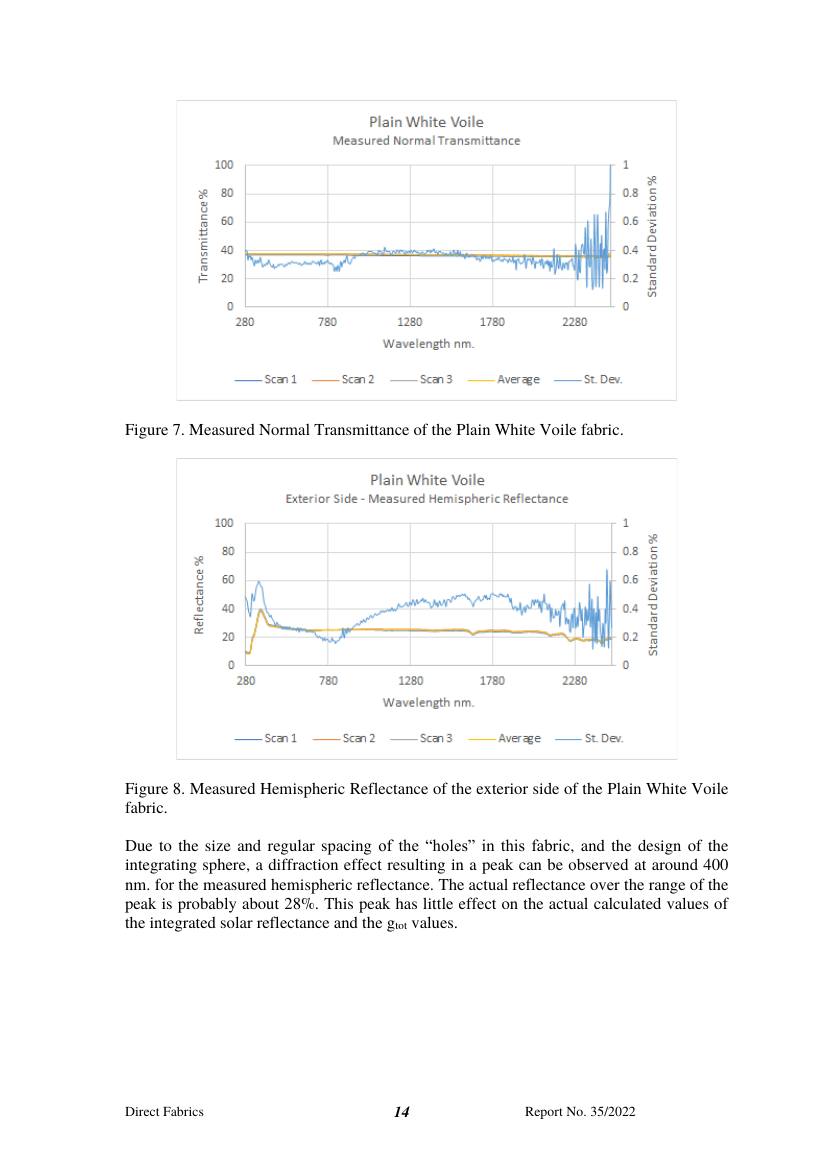
| White voile | 26% | 68% | 40% |
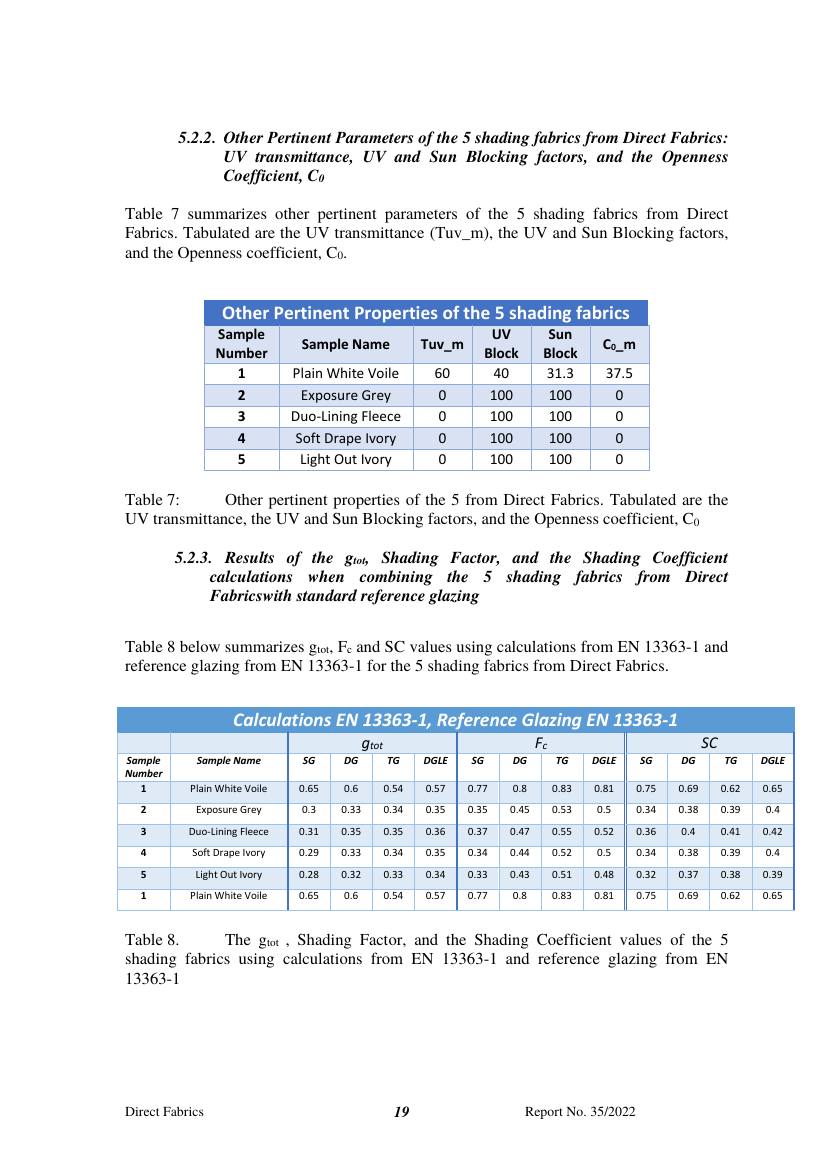
Share of the sun’s heat that still gets in (gtot)
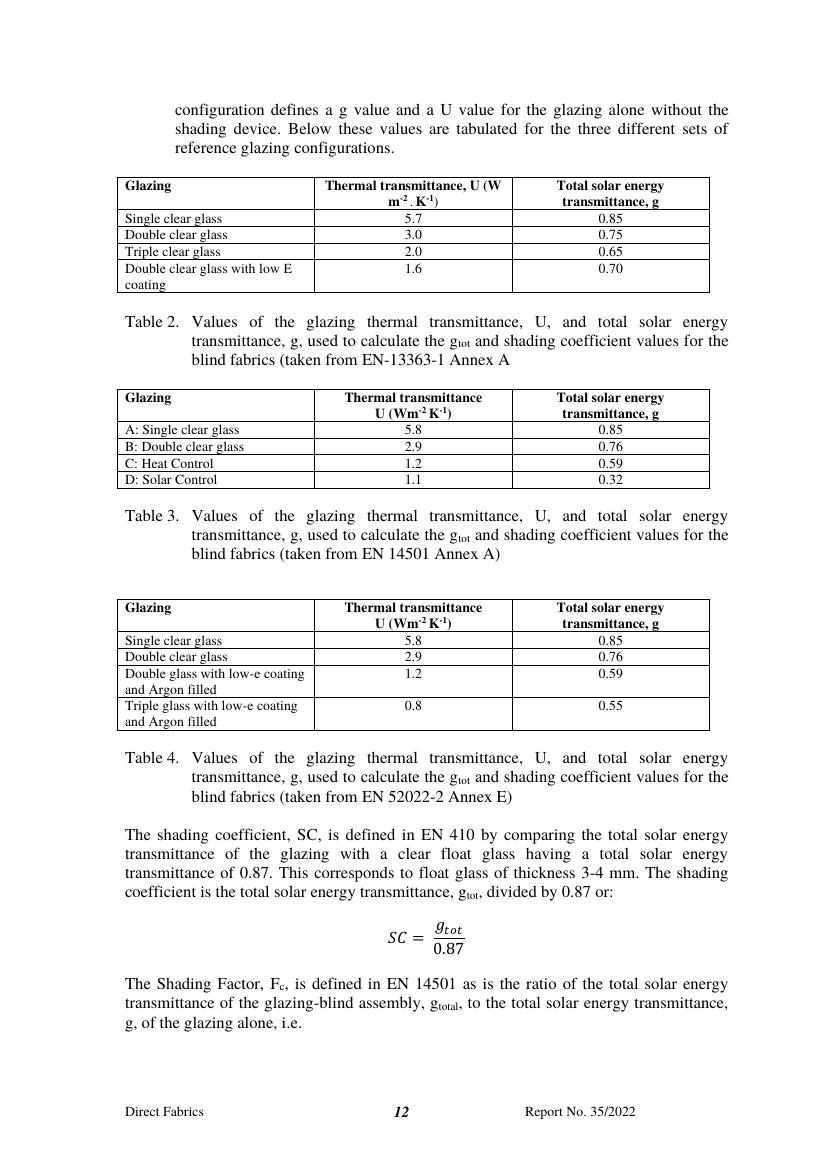
| Material | Single glazing (window alone 0.85) | Older double (0.75) | Modern double (0.70) | Triple (0.65) |
|---|---|---|---|---|
| Light Out | 0.28 | 0.32 | 0.34 | 0.33 |
| Drapewell | 0.29 | 0.33 | 0.35 | 0.34 |
| Exposure (unlined) | 0.30 | 0.33 | 0.35 | 0.34 |
| Acoustic Thermal Blackout | 0.31 | 0.35 | 0.36 | 0.35 |
| White voile | 0.65 | 0.60 | 0.57 | 0.54 |
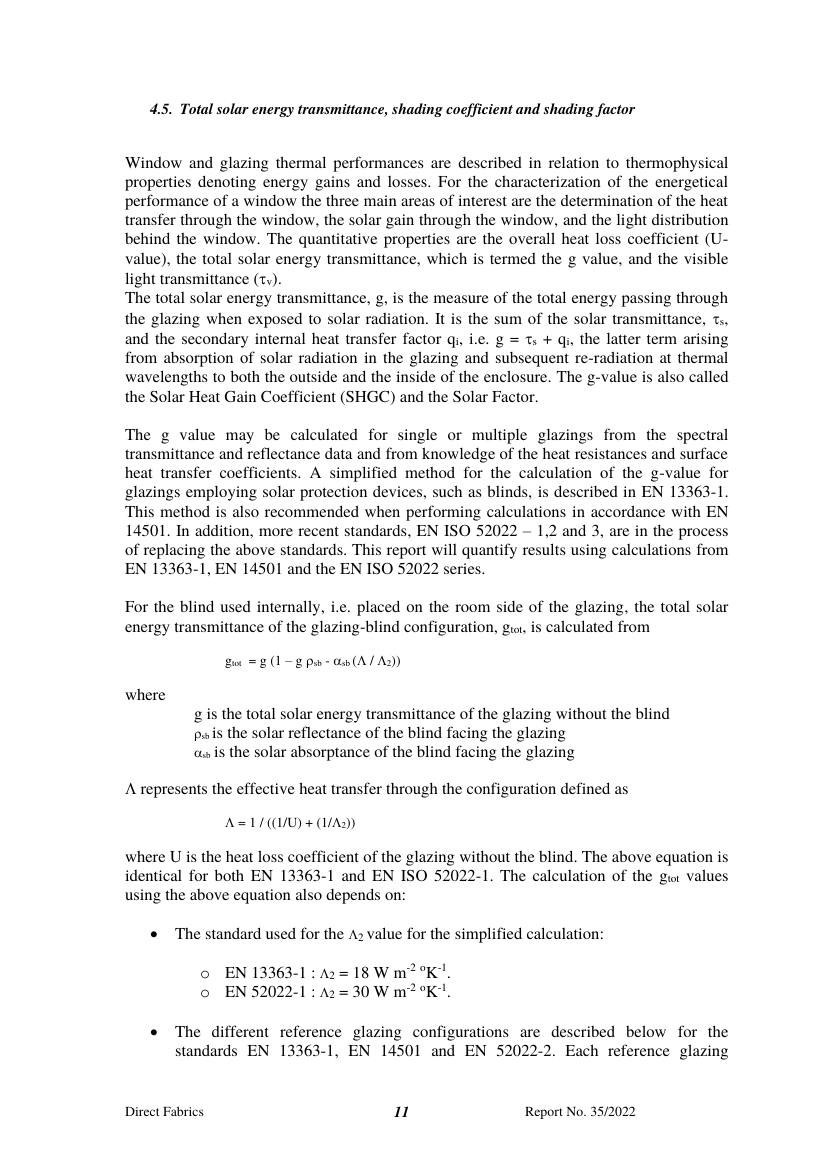
Lower is cooler. Example: single glazing lets in 0.85 of the sun’s heat; with Light Out closed, only 0.28 gets in (two-thirds kept out). Calculated to EN 13363-1 with its reference glazing.
C. How the tests were done
Winter (STFI)
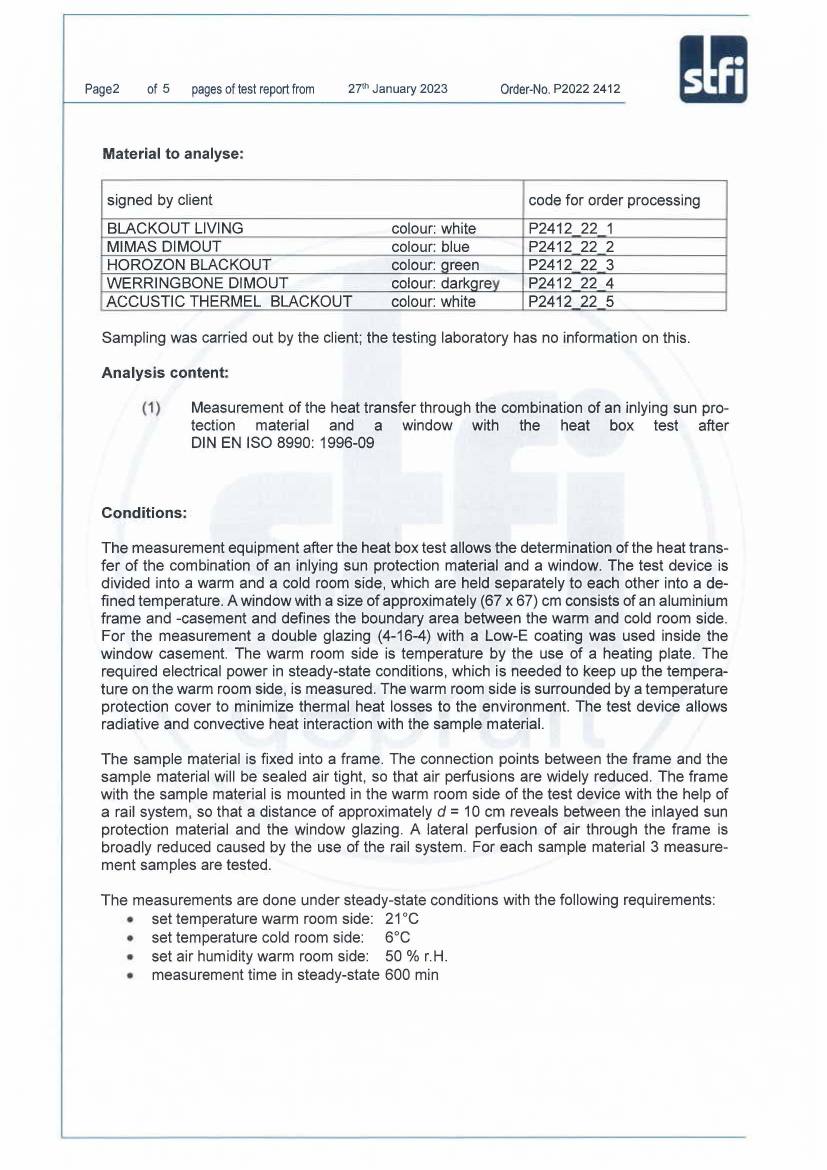
A “heat box” test to DIN EN ISO 8990. A real window (about 67 × 67 cm, modern double glazing) sits between a warm side held at 21°C and a cold side at 6°C. The lab measured how much heating power was needed to keep the warm side at 21°C, with and without the curtain 10 cm in front of the glass. Less power needed means less heat escaping. Three samples were tested for each material, with edges sealed.
Summer (Sonnergy France)
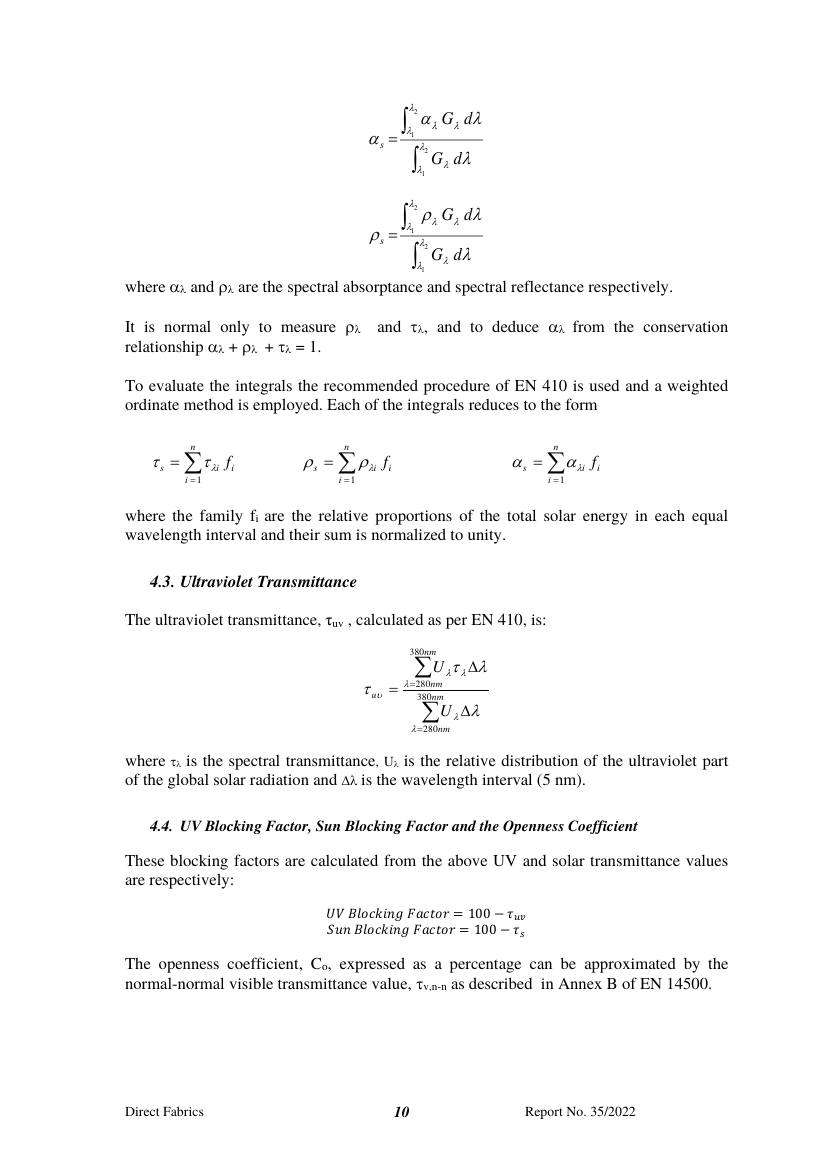
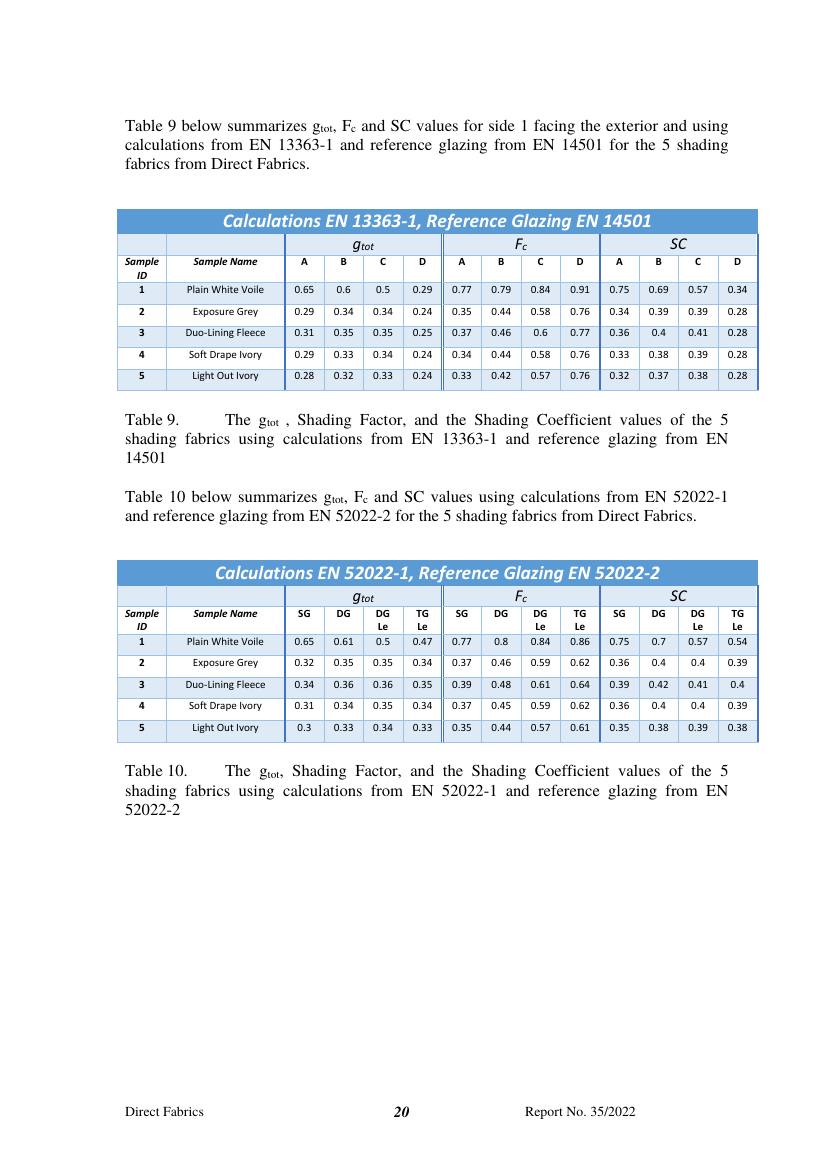
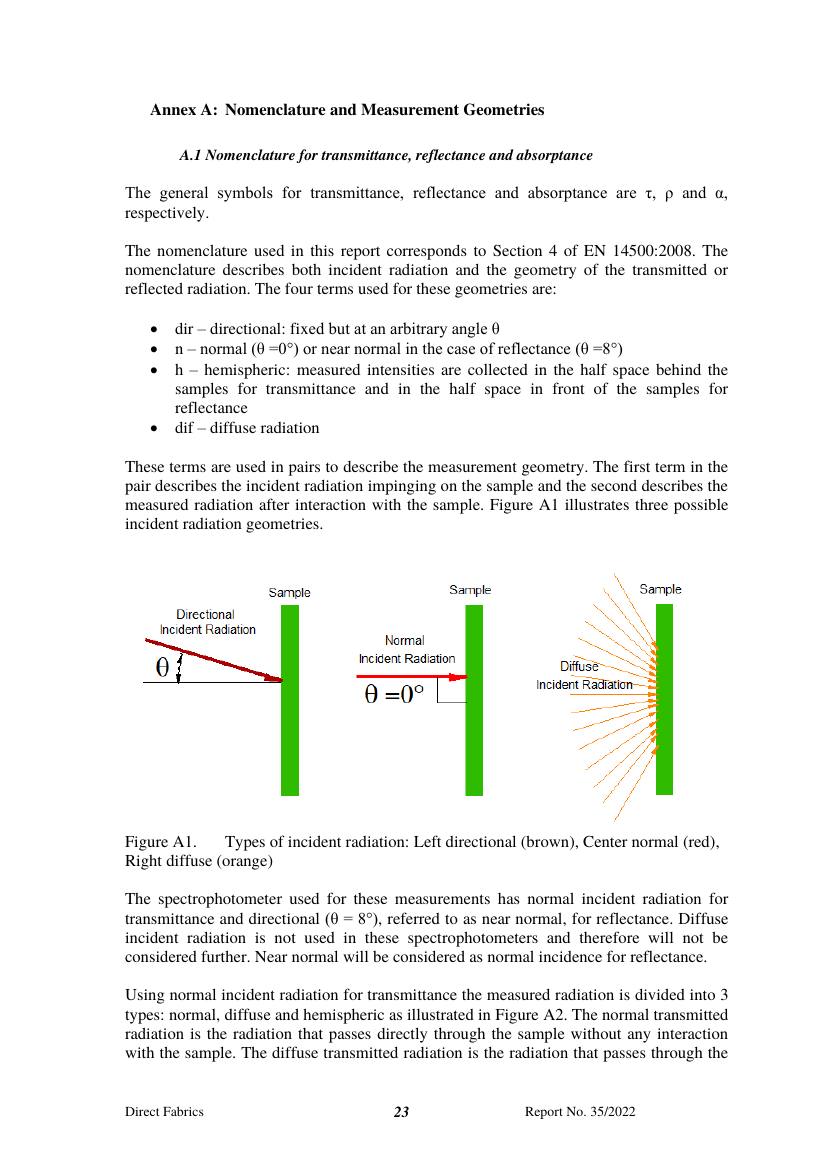
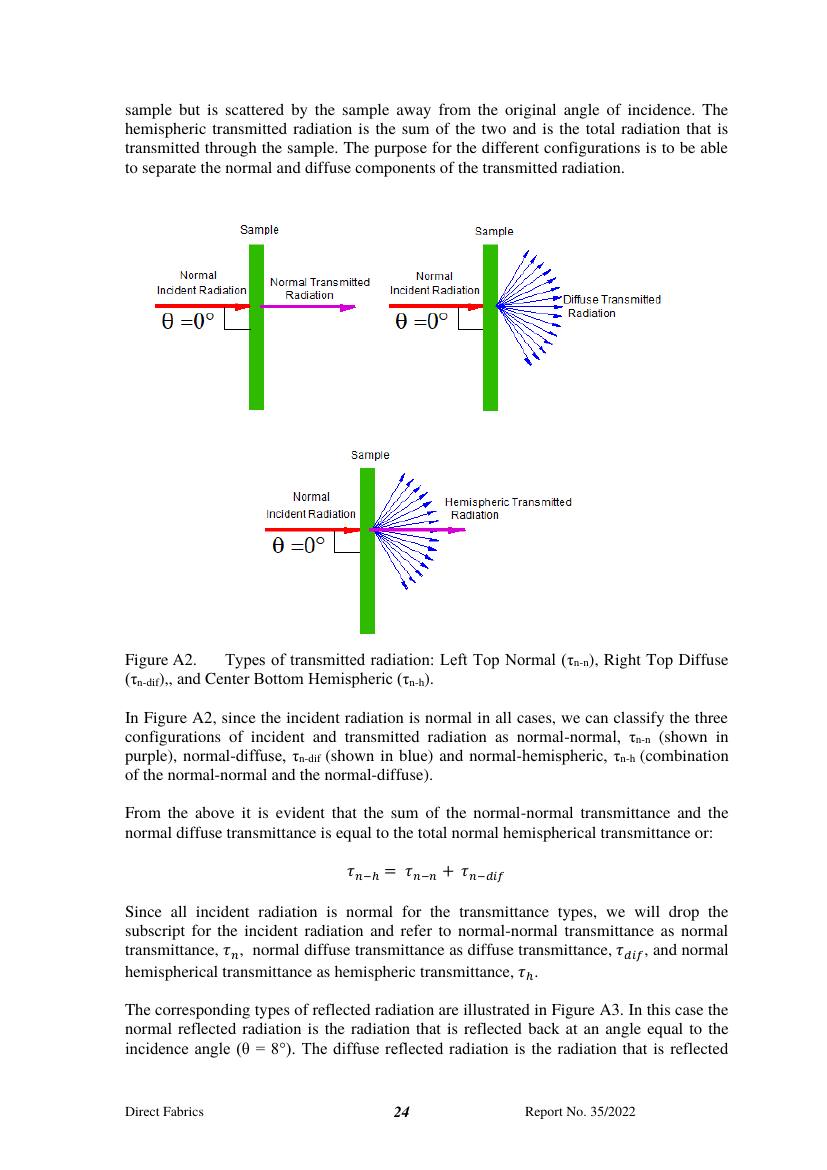
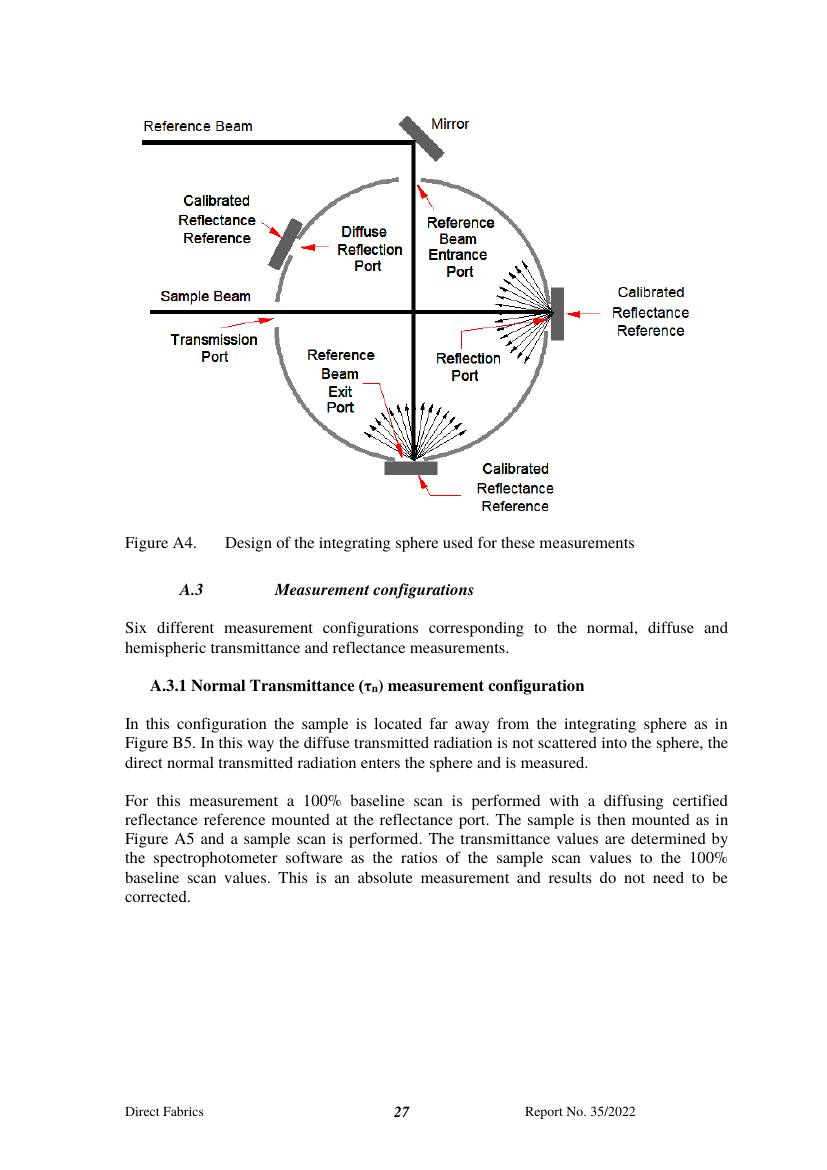
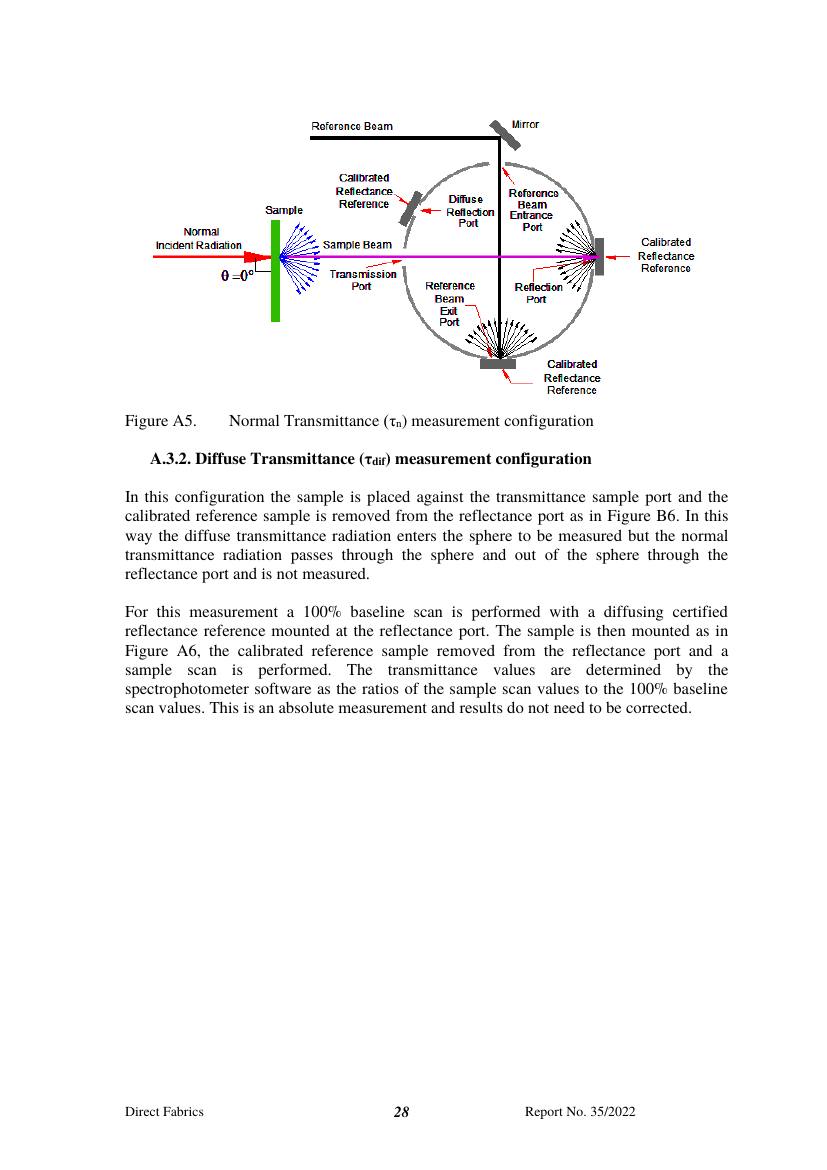
A spectrophotometer measured exactly how much light and heat each material lets through and reflects, across the full range of sunlight (UV, visible and infrared), to EN 410 and EN 14500. The share of the sun’s heat entering a room was then calculated for standard window types to EN 13363-1, also cross-checked to EN 14501 and EN ISO 52022-1.
D. Heating savings: how we estimated them
| Per 1.5 × 1.5 m window, per year | Curtain only | Curtain + lining |
|---|---|---|
| Gas heating, modern double glazing | about £2 | about £2–3 |
| Gas heating, older double glazing | about £3 | about £4 |
| Electric heating, modern double glazing | about £5 | about £6–7 |
| Electric heating, older double glazing | about £9 | about £12 |
Assumptions: Ofgem price cap from 1 October 2026 (gas 7.97p, electricity 26.32p per kWh); a typical UK winter (about 2,000 heating degree days); curtains closed for half the heating hours; lab result reduced by a quarter for real-world gaps; 85% efficient gas boiler. An estimate, not a promise.
E. Lab sample names
Some materials were sent to the labs under working names. For clarity:
| Name in report | Product name today |
|---|---|
| Blackout Living (STFI) | Light Out blackout lining |
| Light Out Ivory (Sonnergy) | Light Out blackout lining |
| Soft Drape Ivory (Sonnergy) | Drapewell blackout lining |
| Accustic Thermel Blackout (STFI) / Duo-Lining Fleece (Sonnergy) | Acoustic Thermal Blackout fleece lining |
| Horozon Blackout (STFI) | Horizon blackout fabric |
F. Full jargon buster
| 3-pass blackout | A fabric coated three times (white, black, white) so no light gets through. |
| Dimout | Cuts most light but not all. |
| gtot | The share of the sun’s heat that gets into the room through the window with the curtain closed. 0.30 means 30%. Lower is cooler. |
| Low-E glazing | Double glazing with an invisible coating that keeps heat in. Standard in most windows fitted in recent years. |
| Margin of error | How far a lab result could vary. 38% ±6% means the true figure is very likely between 32% and 44%. |
| Heat box test | A sealed box with a warm side and a cold side, used to measure how much heat passes through a window. |
| Spectrophotometer | An instrument that measures exactly how much light of each colour a material lets through or bounces back. |
| Heating degree days | A measure of how cold a year is, used to estimate how much heating a building needs. |
| DIN / EN / ISO | German, European and international standards: agreed test methods so results can be trusted and compared. |
G. The full lab reports
Every page of every report, exactly as the labs issued them. Tap a report to open it.
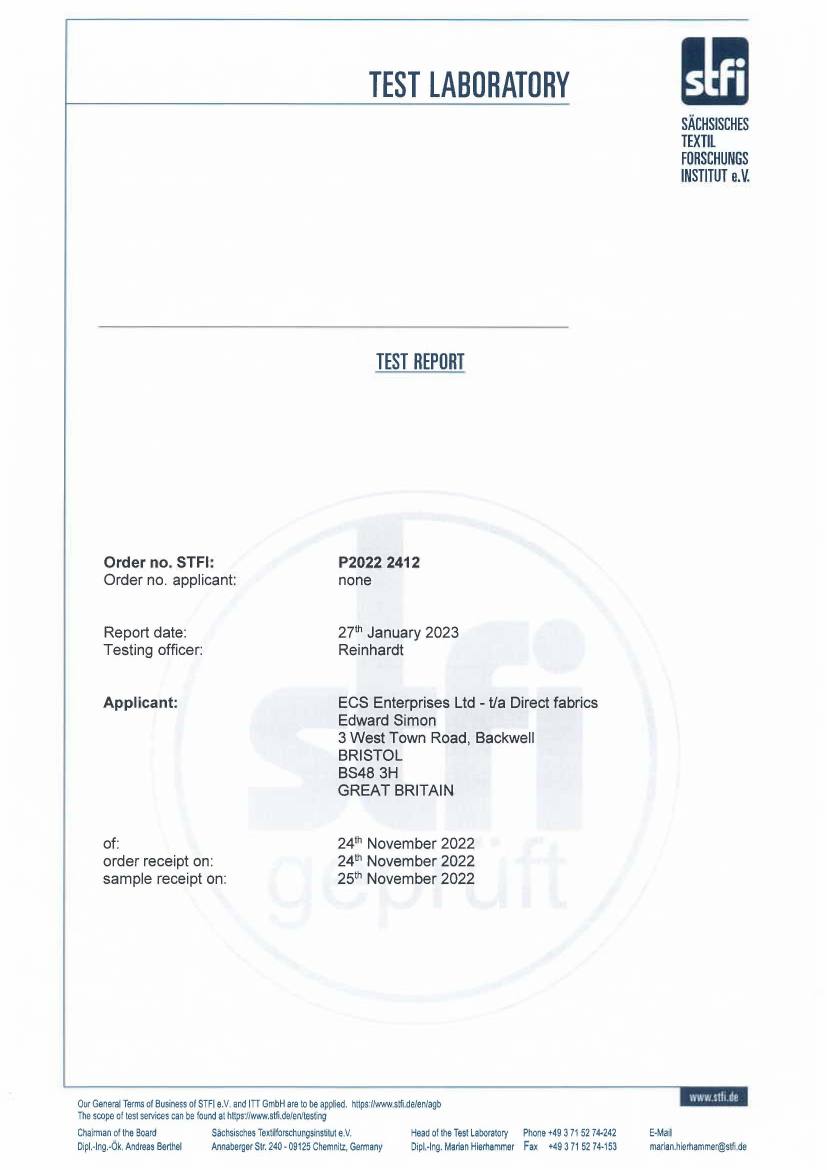
STFI report P2022 2412: single layer (winter)5 pages · 27 January 2023 · 5 fabrics and linings



STFI report P2022 2412.1: lining + curtain (winter)5 pages · 5 June 2023 · 6 combinations





STFI calculation sheet: example energy saving1 page · STFI’s own illustrative model

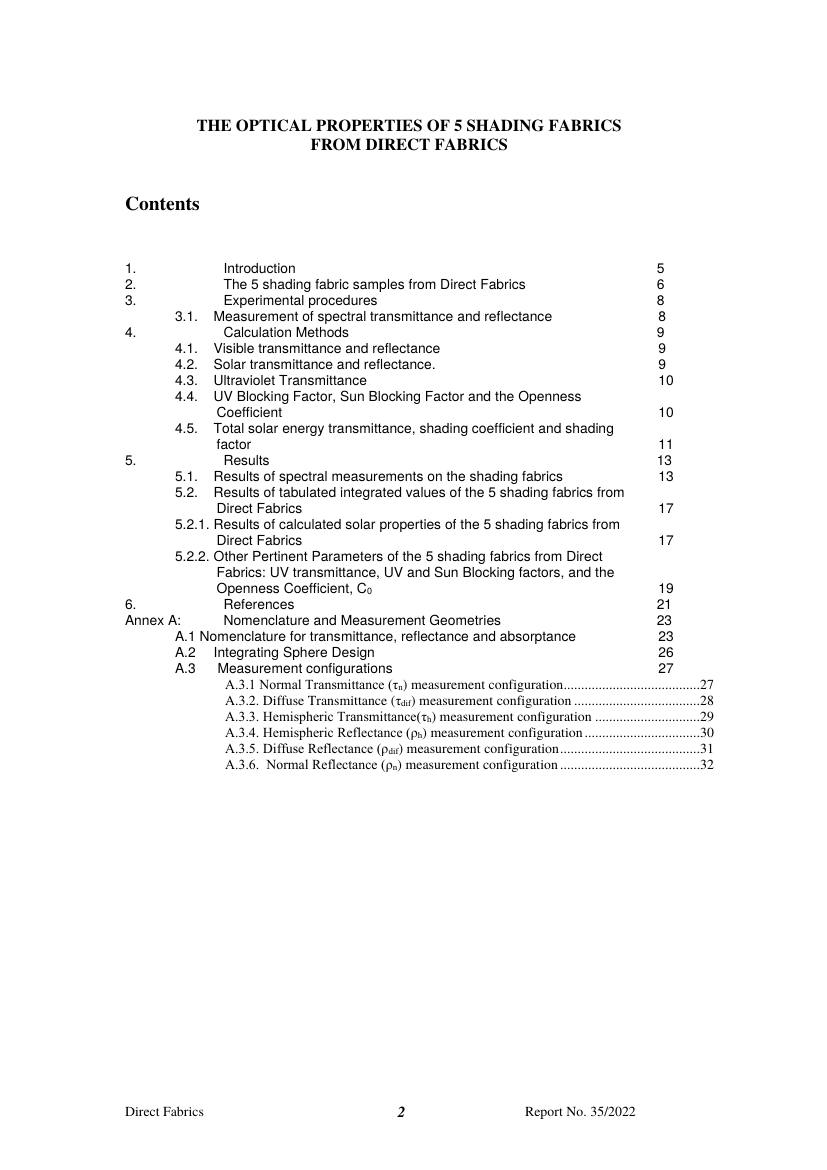
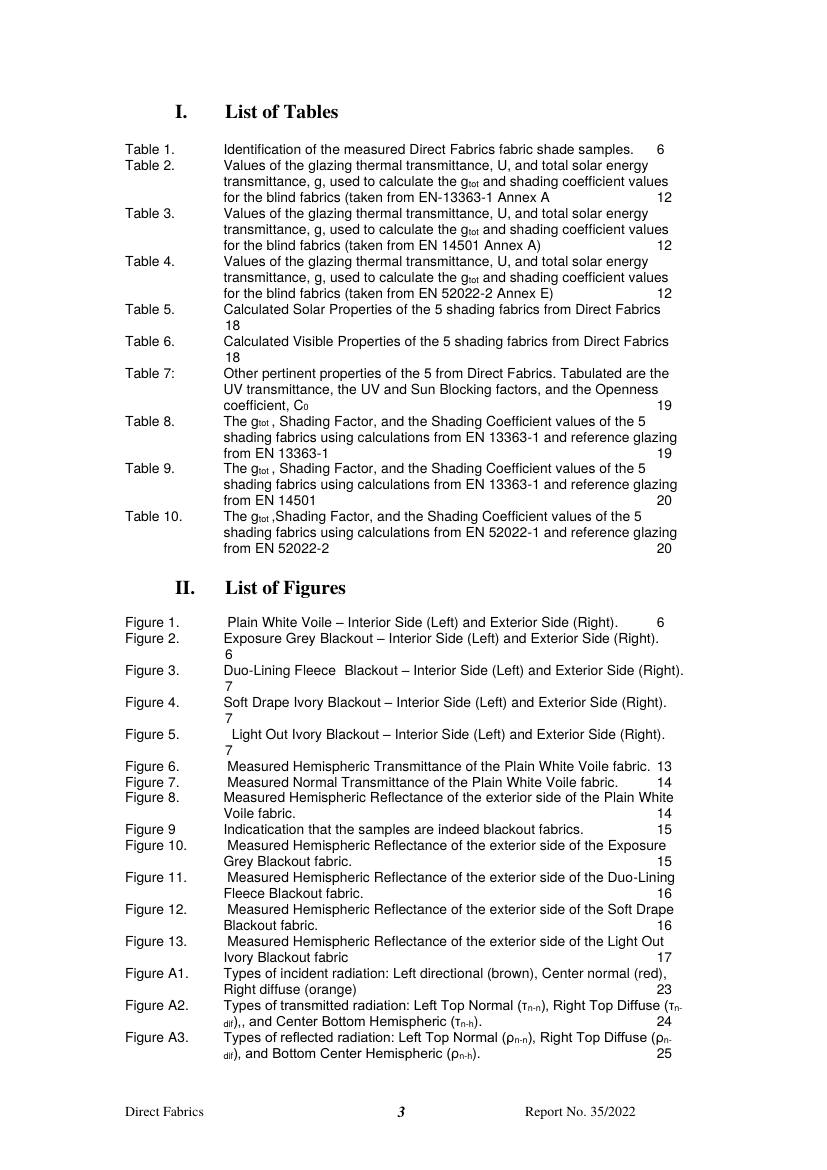
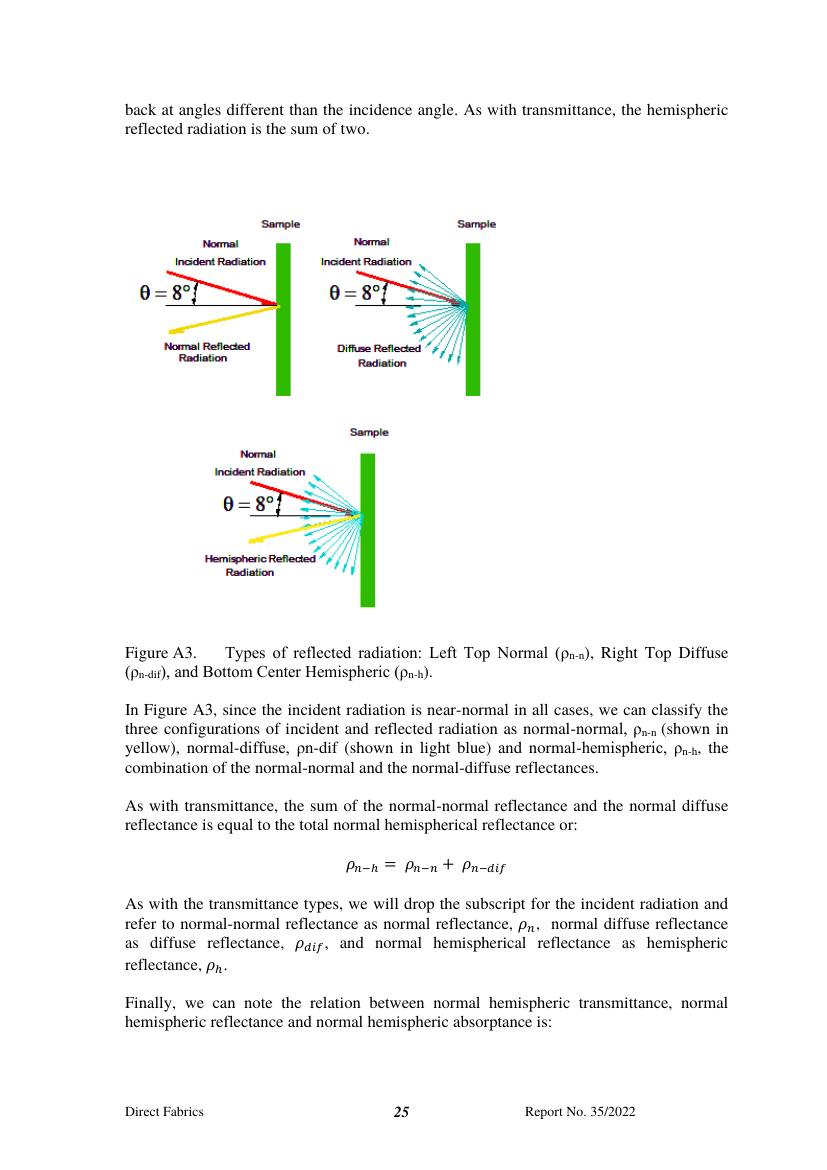
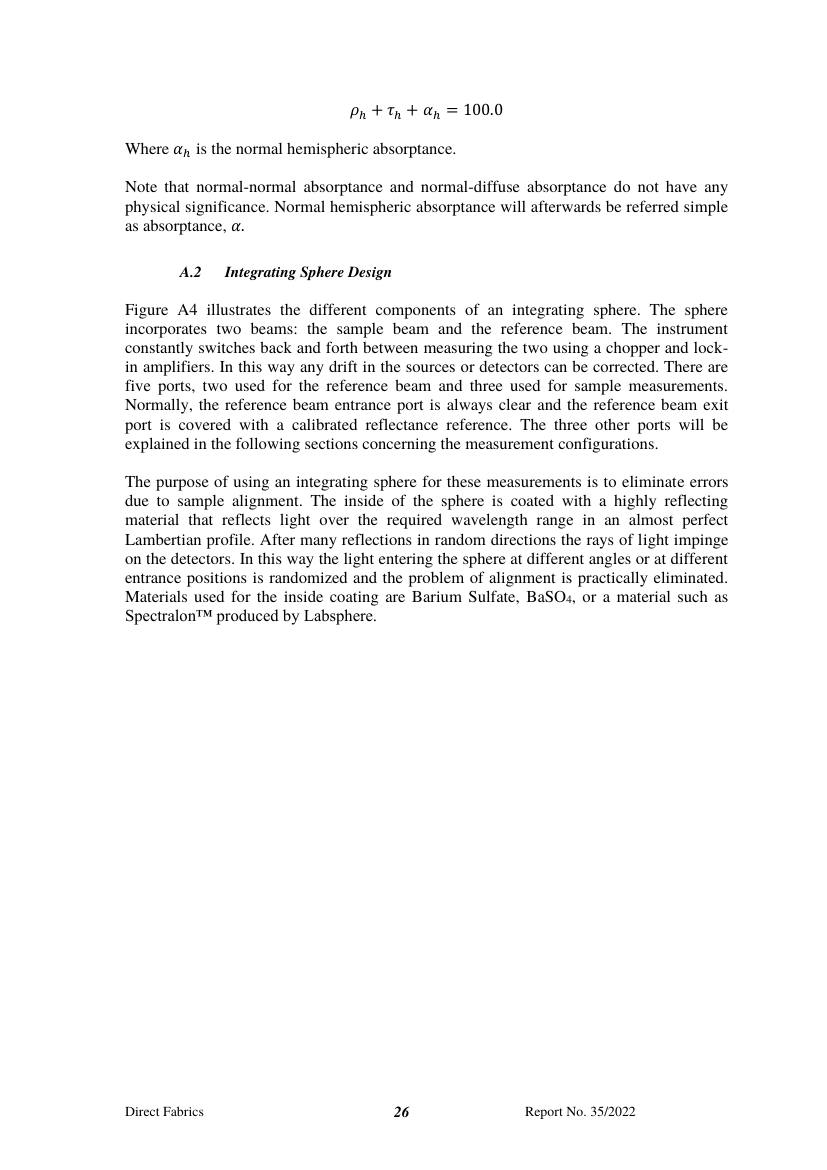
Sonnergy France report 35/2022: solar and light (summer)33 pages · June 2022 · linings, blackout fabric and voile





Some sample names in the reports differ from today’s product names. See appendix E.
Warmer rooms, cooler summers. Talk to our UK team.
Tell us about your windows and we will recommend the right fabric, lining and track. Free samples so you can see and feel them first.