


 Flame Retardant
 Anti Bacterial
 Made To Measure
 British Made
 5 Year Guarantee
 Thermal
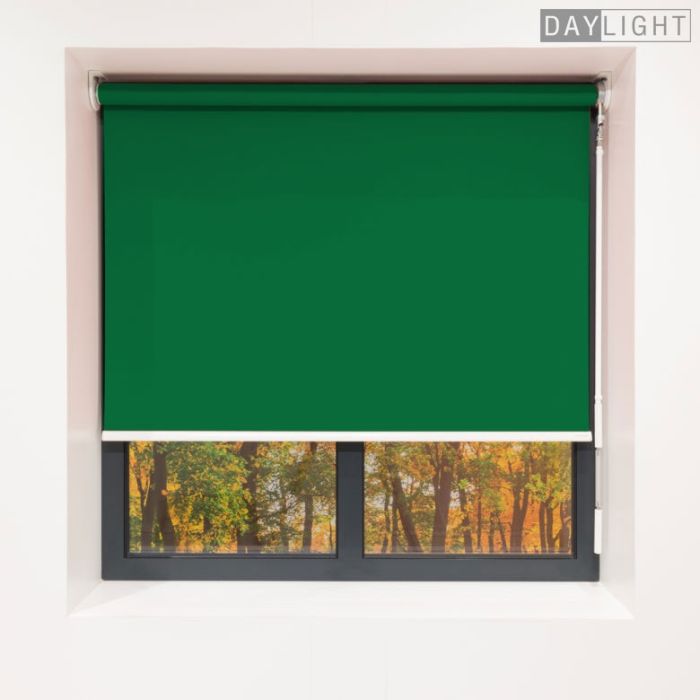
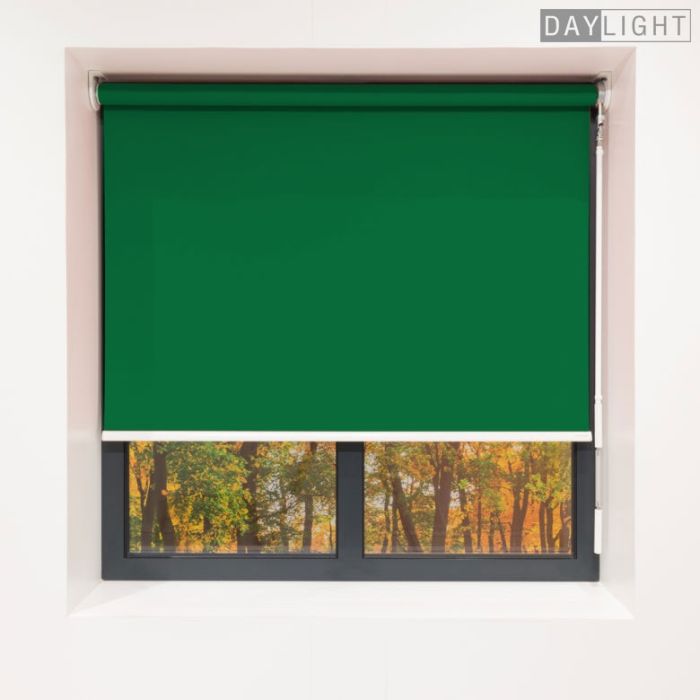
Avon Flame Retardant Shade Crank Roller Blinds 40 Colours
Flame Retardant
Anti Bacterial
Made To Measure
British Made
5 Year Guarantee
Thermal
3 Weeks or Less
UK Mainland Over £250
FREE


Avon Daylight Flame Retardant Crank Roller Blind: Chain-Free Shading for Contract Interiors
A made to measure daylight (shade) roller blind manufactured with Avon fabric and a crank-operated system. Designed for practical glare reduction and controlled operation without a hanging chain in commercial and contract environments.

Flame Retardant
See confirmed standards in the specification tab.

Antibacterial
Specified where hygiene considerations are important.

Made to Measure
Manufactured to your ordered sizes.

Guarantee
Details are listed on the product/specification tabs.
Crank Operated
Controlled movement with no hanging chain.

Easy to Clean
Suitable for regular wipe-down maintenance.
Expectation setting: Avon is a daylight (shade) fabric. It reduces glare and provides daytime privacy, but it is not blackout. Light transmission will vary by colour and site lighting conditions.
Avon daylight fabric with crank operation for chain-free control
Avon crank roller blinds combine Avon daylight (shade) fabric with a crank-operated commercial blind system. The crank mechanism provides controlled raising and lowering without a hanging chain, supporting a tidy finish and practical day-to-day use in contract settings.
This is a made to measure blind manufactured to your ordered sizes. For specification-critical projects, confirm fire standards, certificates and maintenance requirements in the specification tab.
Key features
- Made to measure roller blind manufactured to ordered sizes
- Daylight (shade) fabric for glare reduction and daytime privacy (not blackout)
- Crank operation for controlled movement without a hanging chain
- Colour range: 40 colours (see colour guide images)
- Certificates & care documentation available in the specification tab (downloadable where provided)
Where this fits in our range
Choose Avon when you need a daylight shading roller blind with crank operation and no hanging chain. If your project requires blackout performance, specify a blackout fabric option instead.
- Office glazing where glare control is required
- Meeting rooms, reception areas and circulation spaces
- Education and healthcare interiors using daylight shading
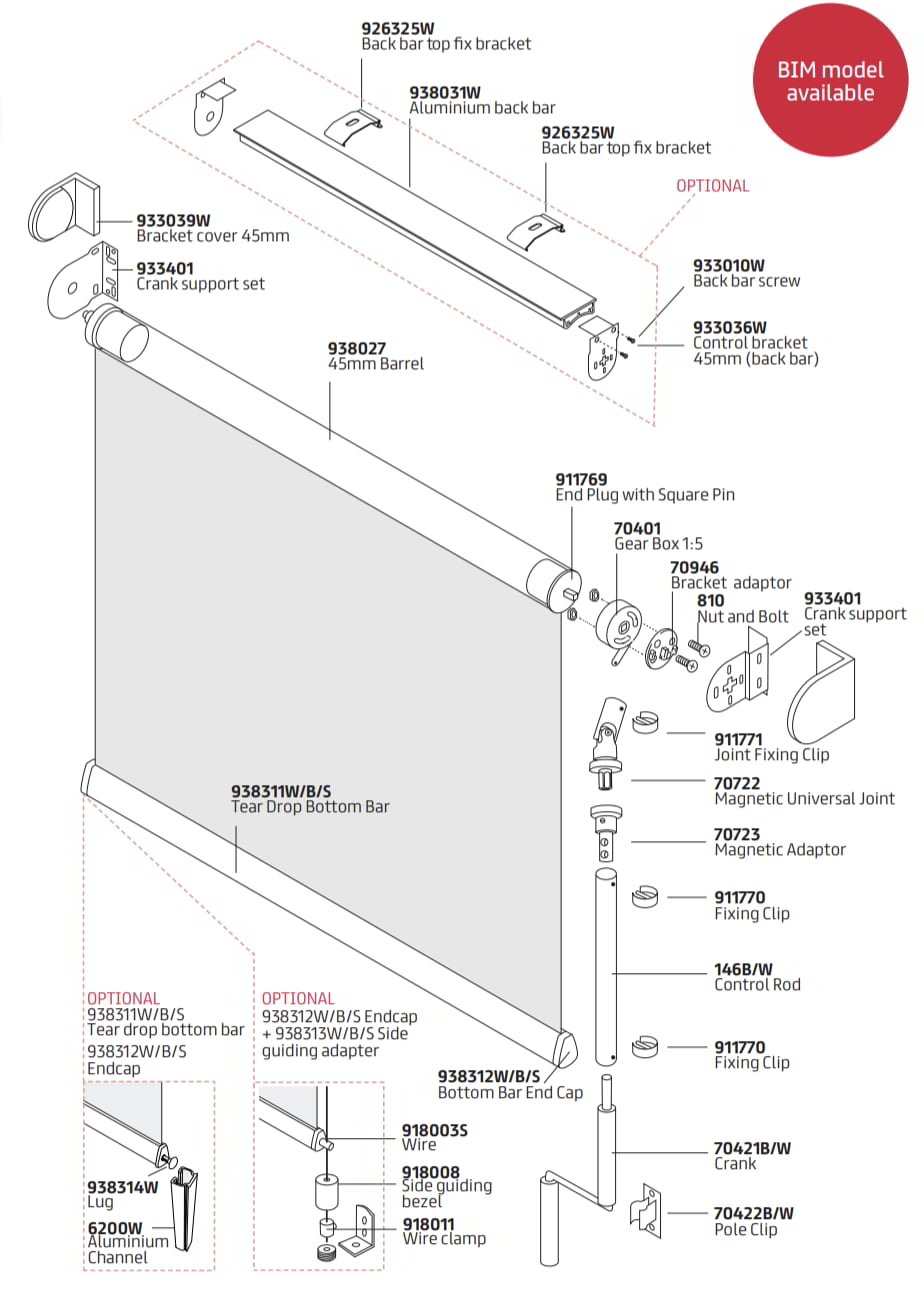
Crank mechanism (chain-free operation)
The crank system provides controlled positioning without a hanging chain. It is designed for practical operation and a tidy installation finish in contract settings. Components are selected to support regular use with stable fixing and smooth movement. Please follow installation guidance and site fixing requirements.
Where acoustic performance is referenced, rely on the confirmed rating and any supporting documents listed in the specification tab.
Who uses Avon daylight crank roller blinds
Typically specified for contract environments requiring daylight shading and controlled operation, including offices and wider commercial interiors. Crank operation is often selected where a chain-free finish is preferred and the blind will see regular day-to-day use.
Also specified in education and healthcare settings where glare control, maintainable finishes and documented compliance are required. Confirm certificates and declarations in the specification tab for project sign-off.
Best suited for contract projects
- Multi-window office fit-outs requiring consistent finish
- Education spaces needing practical shading and controlled manual operation
- Healthcare environments where wipe-clean maintenance is important
Technical specifications
Specification note: Any fire performance standards, care instructions, fabric composition, weight and performance figures must be taken from the Specifications tab / certificates for this product. This page does not add or assume unlisted standards.
| Product type | Made to measure crank-operated roller blind |
| Fabric | Avon daylight (shade) fabric |
| Operation | Crank control (no hanging chain) |
| Colour options | 40 colours (see colour guide images) |
| Flame retardant certified rating | BS5867 Part 2B |
| Acoustic absorption rating | E rating |
| Fabric style | Plains |
| Features | Flame Retardant, Thermal, Daylight (Shade) |
| Certificates & care | Available in the specification tab (downloadable where provided) |
Reference image showing crank roller blind mechanism components.
Colour reference images are provided for selection. On-screen colour appearance can vary by display and lighting.


The reference graphic below explains terms commonly used for shading performance. For project-critical specification, rely on the values and documents in the Specifications tab.

Transmittance refers to the proportion of light and heat passing through the fabric. Lower transmittance indicates more shading.
Block/reflect describes the portion of light and heat blocked or reflected. Higher values indicate increased shading effect.
Absorption is the portion of light and heat absorbed by the fabric. Higher absorption can reduce transmitted heat and light.
Ultraviolet protection indicates how protective the fabric is against UV. Higher values indicate greater protection.
Shading Co-efficient is measured by comparing solar heat gain with and without a blind at the window. Lower results indicate improved shading performance in that test setup.
Fitting instructions
Download the fitting guide from the link below. Installation requirements may vary by site and substrate.
 Download fitting instructions (PDF)
| Flame Retardant Certified Rating | BS5867 Part 2B |
|---|---|
| Acoustic Absorption Rating | E Rating |
| Fabric Style | Plains |
| Features | Flame Retardant, Thermal, Daylight (Shade) |
| Operation | Crank |
| Delivery | 3 Weeks or Less |
| Flame Retardant | Yes |
Customer Product Reviews

SAVE TIME - Send your project requirements, large or small. Sample Lists etc