


 Flame Retardant
 Anti Bacterial
 Made To Measure
 British Made
 5 Year Guarantee
 Thermal
Avon FR Daylight Chain Operated Roller Blinds 40 Colours
Flame Retardant
Anti Bacterial
Made To Measure
British Made
5 Year Guarantee
Thermal
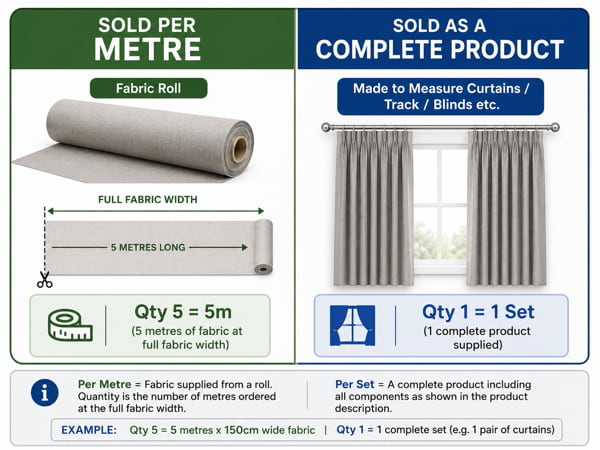
3 Weeks or Less
UK Mainland Over £250
FREE


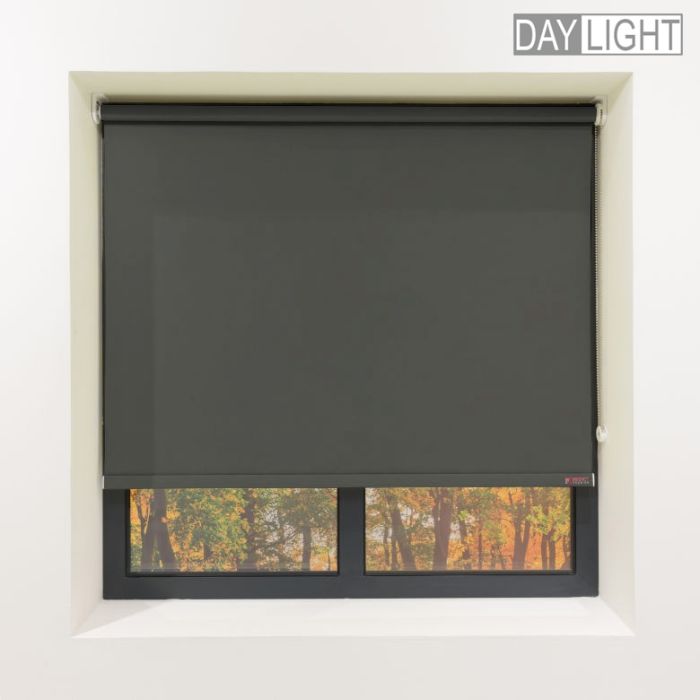
Avon Roller Blind: Flame Retardant Daylight Shading Blind (Chain Operated)
Avon is a simple, stylish roller blind designed to roll up or down smoothly to achieve the required level of shading. This is a daylight fabric intended for light control and heat reduction at the window, while still allowing daylight through.

Flame Retardant
Suitable for commercial use

Antibacterial
Ideal for medical facilities, schools

Made to Measure
Made to your exact requirements

10 Year Guarantee
Commercial roller blind range

Chain Operated
Simple to control with a chain

Easy to Clean
Easy to wipe clean
Expectation setting: Avon is a daylight roller blind fabric designed for shading and light control. It lets light through the fabric and is not a blackout blind.
Avon roller blind overview
Avon is designed to roll up and down easily to achieve the required level of shading. It is positioned as a practical option for temperature control at the window and supporting energy savings, while maintaining daylight.
The supplied content also highlights handling benefits during fabrication: when cutting this dyed fabric, blades can last longer compared with coated fabric, due to the lack of dust created. Once cut, a dyed fabric will not have white edges, supporting a clean finish on completed blinds.
The Avon roller blind series is described as flame retardant and available in several colours to match a wide range of interior schemes.
Where this fits in our range
Choose Avon when you need a flame retardant daylight roller blind for shading and light control, with a straightforward chain-operated mechanism. If your project requires room darkening, specify a blackout roller blind fabric instead.
- Office and workplace shading
- Education environments requiring controlled daylight
- Healthcare spaces where easy-clean blinds are preferred
- General commercial interiors needing made-to-measure roller blinds
For specification-critical projects, use the Specifications tab for any available datasheets, certificates and care guidance.
Who uses Avon flame retardant roller blinds
Avon is commonly specified where straightforward shading blinds are required for commercial interiors, including offices and wider contract environments. The antibacterial and wipe-clean positioning makes it relevant where hygiene and maintenance are priorities, such as medical facilities and schools.
Designed to be rolled up or down to vary shading levels. As a daylight fabric, it allows light through rather than fully blocking out.
Manufactured to your measurements for a neat, consistent finish across single windows or larger multi-window installations.

Further information on the roller blind mechanism
Strength and simplicity make the R20 a common choice across a wide range of applications. The choice of barrel size means the blind can be matched to the window size for optimum performance. Vandal resistant features include Slipstream® Technology, a friction-reducing approach that aids smooth action, with an air cooled design and double spring function. It provides enhanced hold, a longer lifespan of the blind and advanced chain loading. It has a metal control chain, and the fabric is locked into the barrel and bottom bar. It is installed using sturdy, stylish metal brackets.
Technical specifications
This page content confirms the product is flame retardant, daylight (not blackout), chain operated, made to measure, and positioned as easy to wipe clean with an antibacterial feature. For project files (including any certificates, datasheets and care guidance), refer to the product Specifications tab where available.
| Blind type | Roller blind (daylight shading) |
| Operation | Chain operated |
| Fabric performance notes (as supplied) | Dyed fabric described as creating less dust during cutting (supporting blade life) and avoiding white cut edges. |
| Cleanability | Easy to wipe clean |
| Colour options | Multiple colours available (see colour imagery below) |


Shading efficiency terminology (as shown in imagery)
Transmittance is the amount of light and heat transmitted beyond the fabric. The lower the amount, the greater the efficiency.
Block/reflect is the amount of heat and light that is blocked or reflected. The higher the amount, the greater the efficiency.
Absorption is the amount of heat and light absorbed in the fabric. The higher the amount, the lower the efficiency.
Ultraviolet protection illustrates how protective the fabric is against ultraviolet rays. The higher the amount, the greater the effectiveness.
Shading Co-efficiency is tested using a single 6mm glass glazing system with and without a blind to obtain solar heat gain measurements. The heat gained with a blind at the window is divided by the solar heat gained without a blind at the window, giving the Shading Co-Efficient. The lower the result the better the performance of the blind at blocking solar heat.

Fitting instructions

For site installs, follow the PDF guidance. If your project has specific fixing requirements, confirm them prior to manufacture.

| Composition | 100% Polyester |
|---|---|
| Flame Retardant Certified Rating | BS5867 Part 2B |
| Fabric Style | Plains |
| Features | Flame Retardant, Daylight (Shade) |
| Operation | Chain |
| Delivery | 3 Weeks or Less |
| Washing / Cleaning Information Face Fabric | Wipe With Damp Sponge |
| Flame Retardant | Yes |
Customer Product Reviews
5.0
100% of customers recommend this product
Share your thoughts with other customers
Top customer reviews
-
Great choice, quality and service.Second time we've ordered blinds from Direct Fabrics. Once again the order process was straightforward and the blinds arrived in good time and were very securely packed. They are now installed and look exactly as we hoped they would. Will definitely use the company again. Many thanks.0 people found this helpful

SAVE TIME - Send your project requirements, large or small. Sample Lists etc