



 Flame Retardant
 Made To Measure
 British Made
 5 Year Guarantee
Bolton Twill - Black - Stage Curtains NDFR Flame Retardant
Flame Retardant
Made To Measure
British Made
5 Year Guarantee
Currently 3-4 Weeks - UK Manufactured
UK Mainland Over £250
FREEBolton Twill – Black – Stage Curtains (NDFR Flame Retardant)
Made-to-measure stage curtains in a traditional twill weave, specified where flame retardancy is required and a practical black finish is needed for performance spaces. Commonly chosen for schools, village halls and theatres.

Flame Retardant
Certified to BS5867 Part 2 Type B (see specs)

Made to Measure
Manufactured to your track width and drop

Dry Clean
Dry clean P sensitive (see specs)
Light Control
Reduces light entry (not blackout)
Practical Weave
Diagonal twill helps mask surface dust
Optional Lining
Add lining options at checkout
Expectation setting: Bolton Twill is described as a dimout face fabric that helps reduce light entry. It is not blackout as standard. If you require blackout performance, select a blackout lining option when specifying your curtains.
Top tip: Any of our curtains lined with our blackout lining are thermally certified to reduce heat loss by 30% over a double glazed window.
Why specify Bolton Twill stage curtains
Bolton Twill is a traditional twill weave specified for stage curtains across schools, theatres and community venues. The diagonal weave is chosen for practical day-to-day use, helping to disguise surface dust and general handling marks.
These curtains are supplied as NDFR (non-durable flame retardant) and certified to BS5867 Part 2 Type B. If the fabric is wetted in any way, it must be retreated to maintain flame retardant performance.
If you need documentation for compliance or project files, certificates and supporting information are available in the Specs tab. Cleaning and care guidance is also provided there for reference.
Where this fits in our range
Choose Bolton Twill when you need a traditional stage-curtain look in a practical black twill with BS5867 Part 2 Type B certification. If your priority is maximum blackout, specify a blackout lining option or select a dedicated blackout face fabric elsewhere in our range.
Best suited for
- Stage curtains for schools, theatres and performance areas
- Village halls and community venues needing a hard-wearing black curtain
- Projects requiring BS5867 Part 2 Type B documentation (see specs)
Who uses Bolton Twill stage curtains
Commonly specified for education and community venues including schools, village halls, and theatres. Suitable for commercial environments where a flame retardant stage curtain is required and dry cleaning is practical for ongoing maintenance.
As these curtains are made to measure, they can be configured for typical stage headings (including pencil pleat, webbing to snap hooks, and tie tops), and lined options can be selected depending on the level of light control required.
Care and compliance note (NDFR)
This is a non-durable flame retardant product: if wetted, it must be retreated to maintain flame retardant performance. Refer to the Specs tab for certificates and care guidance.
Technical specifications
| Flame retardant standard | BS5867 Part 2 Type B (NDFR) |
| Flame retardant type | Non-durable flame retardant (if wetted, retreatment is essential to maintain performance) |
| Cleaning | Dry clean P sensitive |
| Dimensional stability (dry cleaning) | +/- 3% |
| Weight | 240gms |
For specification-critical work, download supporting documents from the Specs tab. This includes flame retardant certificates and the latest care information for your project file.
Headings Options for Stage Curtains:
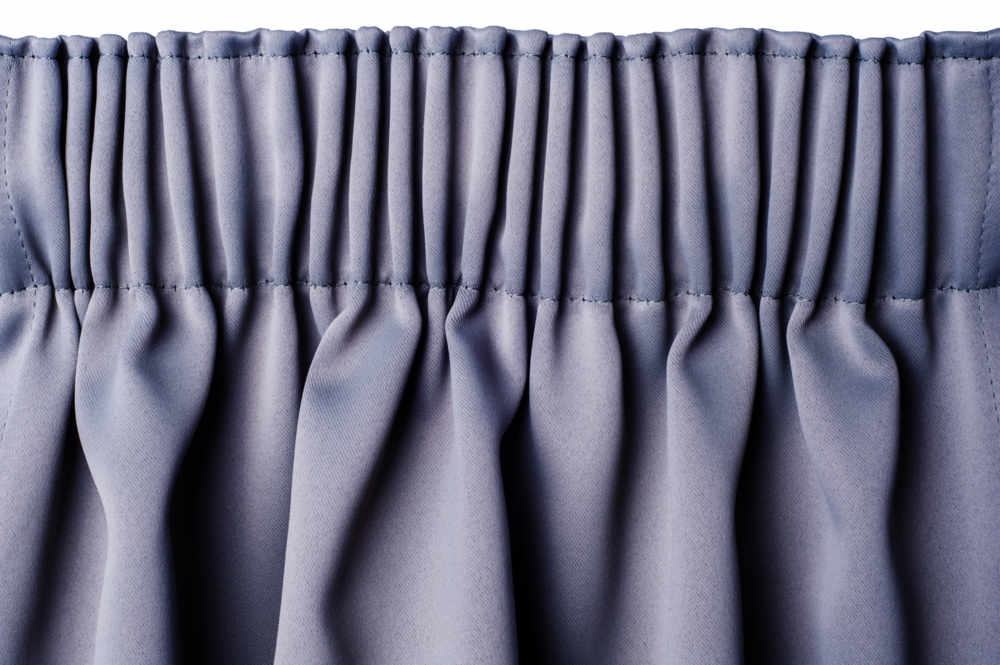
Pencil Pleat:
Pencil pleat is the traditional style of curtain heading that is a used in most windows and gives a lovely finish. You have the flexibility from the stitched in curtain tape which allows you to alter the height above your track and pole.
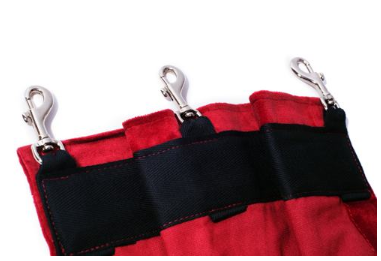
Webbing to snap hooks:
Webbing to Snap Hooks clips sewn into the heading tape that then clip straight into a stage track. Not all tracks are suitable for this. Please send over images of your current track if you need any help.
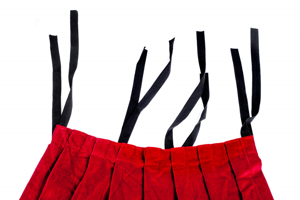
Tie tops:
Tie tops can be tied onto a pole or batten, great for backdrops and for curtains that need to be portable around different spaces.
Lining Options for Stage Curtains:
All lining options from Direct Fabrics are flame retardent certified to BS5867 and can be used in commercial enviroments.
Unlined:
Unlined Curtains are a good option if you are looking for a low cost option.

Lined:
Standard polyester FR lining is a low cost option that provides extra fullness and helps your curtains drape better. It will provide additional shade on standard fabrics and on dimout and blackout fabrics it is used to add a more luxurious feel.
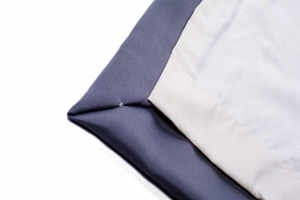
Blackout lined:
3 Pass blackout lining is Direct Fabrics choice for all curtains as it is 100% blackout, allowing you to control the amount of light coming into a room, making perfect for bedrooms and other dark enviroments. The 3 pass coating is very hard wearing and provides a thermal benefit aswell as making your curtain drape better.

| Washing / Cleaning Information Face Fabric | Dry Clean P Sensitive |
|---|---|
| Delivery | Currently 3-4 Weeks - UK Manufactured |
| Flame Retardant | Yes |
| Fabric Style | Plains |
| Fabric Width (cm) | 120 |
| Pattern Repeat Vertical (cm) | 1 |
| Composition | 100% Polyester |
| Features | Flame Retardant |
| Product Attachment |

Customer Product Reviews
Top customer reviews
Reviews with images
Images in this review
-
Bolton Twill
 1 people found this helpful
 -
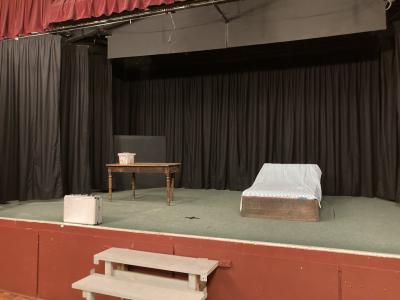
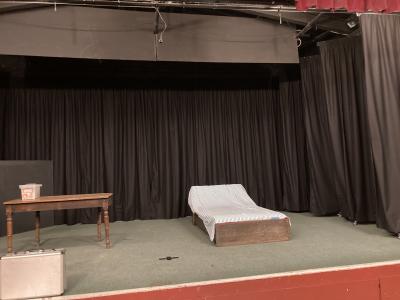
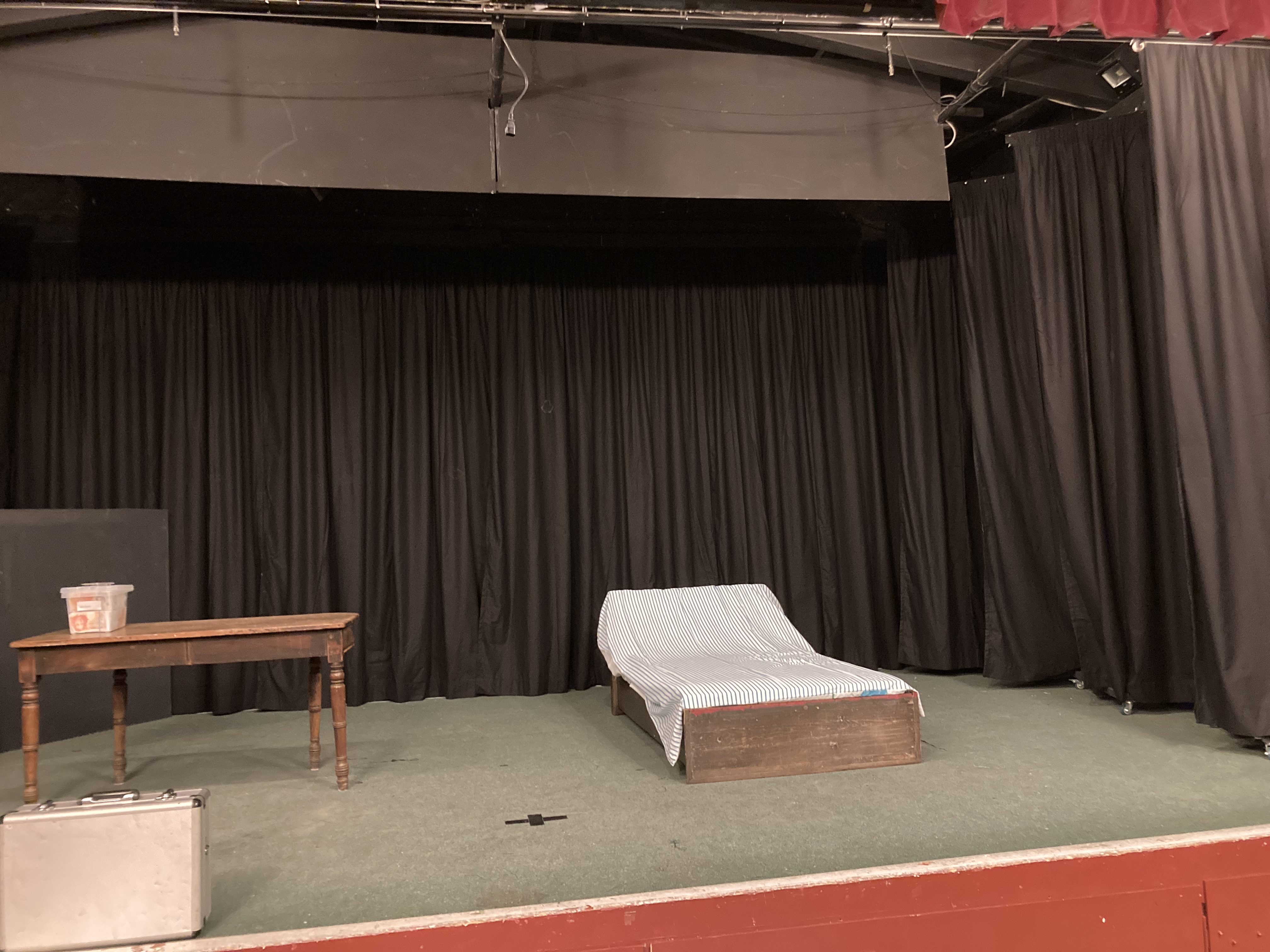
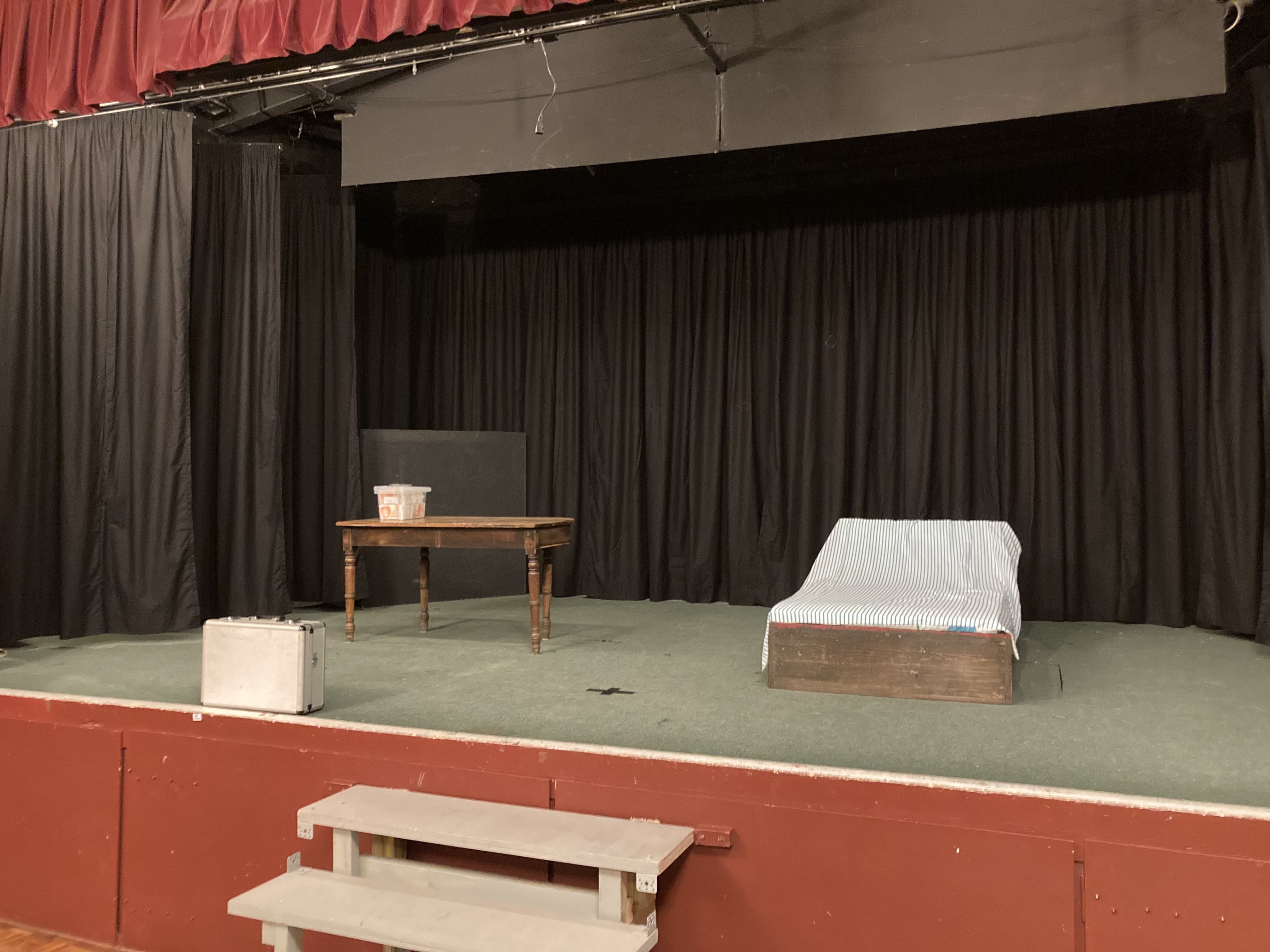
Excellent quality and valueThroughout our dealings with Direct Fabrics they have been very helpful, pleasant and accommodating with our order. Communications have been excellent with queries resolved promptly and satisfactorily. Delivery was on time with no problems. The stage curtains are of excellent quality and value. Thank you. We will use you again in the future.
0 people found this helpful

SAVE TIME - Send your project requirements, large or small. Sample Lists etc