ORE 3% Screen Shade Solar Control Flame Retardant Crank Roller Blinds
5-7 Working Days
UK Mainland Over £250
FREE
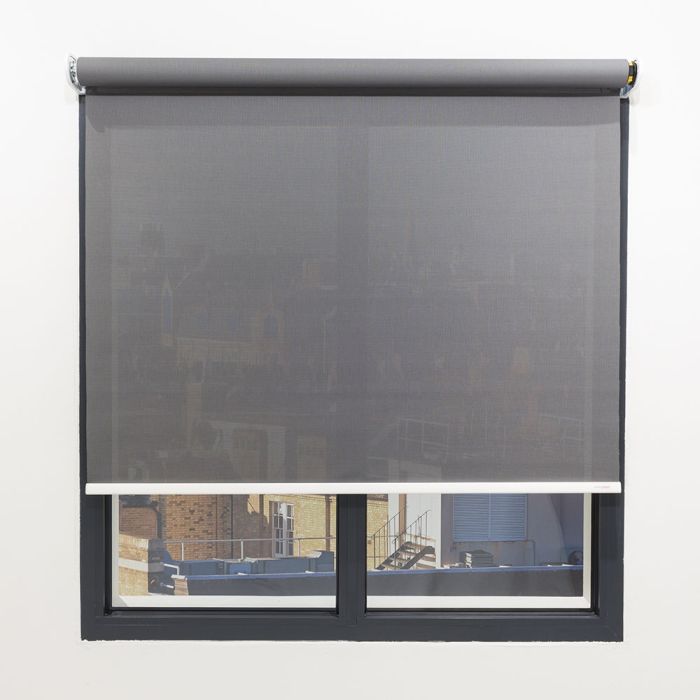
ORE Flame Retardant Roller Blinds: 3% Screen Solar Control (Crank Operated, Made to Measure)
A solar control, screen-style roller blind designed to reduce glare while maintaining usable natural daylight. Supplied made to measure and specified for contract interiors where a flame retardant blind is required.
Flame Retardant
Certified to BS 5867 Part 2, Type B
Screen Shade
Solar glare control with daylight
Made to Measure
Manufactured to your sizes
Low Maintenance
Wipe-clean care (see spec tab)
Screen Suitable
Suitable for computer environments
Crank Operated
Manual crank control
Expectation setting: ORE is a screen shade fabric designed for glare control and comfortable daylight. It is not a blackout blind. Visibility and shading will vary with lighting conditions and time of day.
Overview: solar control roller blind for contract interiors
ORE is specified when you need high solar control without losing the comfort of natural daylight. The screen fabric helps reduce glare and supports a more comfortable working environment.
This product is supplied as a made-to-measure crank operated roller blind, suitable for projects that need a flame retardant specification for public-facing interiors.
Fire retardancy: the fabric is stated as certified to BS 5867 Part 2, Type B. Certificates and supporting documentation are available via the specification tab for project records.
Where this fits in our range
Choose ORE when the priority is glare reduction and screened daylight (rather than full light exclusion). If the requirement is room darkening or night-time privacy, specify a blackout roller blind instead.
Best suited for
- Areas needing glare control while maintaining usable daylight
- Computer environments where screened light is preferred
- Projects requiring wipe-clean practicality and a contract-ready blind build
Who uses ORE flame retardant screen roller blinds
Specified for environments where glare control and comfortable daylight matter, including commercial, education and healthcare settings.
Also selected for moist conditions where a wipe-clean screen fabric is required.
Typical applications
- Offices, meeting rooms and IT areas
- Classrooms and shared learning spaces
- Clinical and back-of-house areas needing wipe-clean practicality
Specification support
For tender packs and schedules, use the specification tab for certificates and care information. Where project requirements are strict, confirm suitability against the site fire strategy and relevant approvals.
Technical specifications
| Product | Crank operated made-to-measure roller blind |
| Fabric type | 3% screen shade / solar control (plains) |
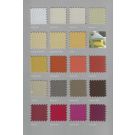
| Colour range | 7 colours |
| Composition | 70% PVC, 30% Polyester |
| Roller fabric width | 2500mm (98 1/2”) |
| Roller fabric length | 30m |
| Thickness | 0.50mm |
| Weight | 400 g/m² |
| Mesh / inch | 48 x 48 |
| Colour fastness | 4.5 |
| Fire retardancy | BS 5867 Part 2, Type B |
| Acoustic absorption | E Rating |
| Shading | High performance |
| Screen suitability | Suitable for computer environments |
| Moisture resistance | Suitable for moist conditions |
| Care | Wipe clean |
| Delivery | Estimated 5–7 working days |
For project submittals, use the specification tab to access supporting documents, certificates and the latest care guidance. Where required, confirm the final specification against the site fire strategy and any local approval process.
| Flame Retardant Certified Rating | BS5867 Part 2B |
|---|---|
| Acoustic Absorption Rating | E Rating |
| Fabric Style | Plains |
| Features | Flame Retardant, Daylight (Shade), Screen Fabric |
| Operation | Crank |
| Delivery | 5-7 Working Days |
| Flame Retardant | Yes |
Are my products certified for use in a public place?
What types of blinds do you offer?
What is the difference between roller blinds and cassette roller blinds?
Are all your blinds flame retardant?
How do I measure for roller blinds?
Do you install blinds or is it DIY only?
Can I return made-to-measure curtains?
What does FR or flame retardant mean?
Do I get a certificate to show my products are flame retardant?
Customer Product Reviews
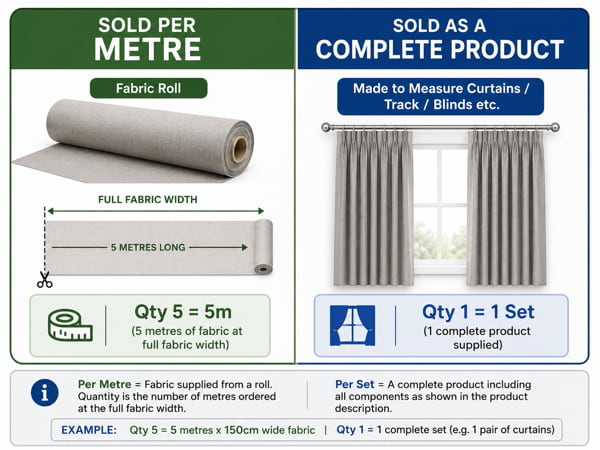
How to Measure For Curtains, Blinds and Tracks.
Make sure your curtain tracks and poles are fitted in the position you want.
Choose the type of curtains that you would like and how you want to hang your curtains. See our heading styles guide
We recommend fitting your hardware first before measuring, this avoids any issues with not getting the perfect fit.
Measure your window using our main guide. Quick summary below. Remember wave, pinch, and designer headings require slightly different measurement
Measure in 3 places and take the shortest drop – Floors and ceilings can run out.
Double / Triple check your measurements

Choosing your Curtain Track Width
The width of the curtain track should extend past your window this allows for the curtains to stack back away from your window and allow light in.
Measure your recess and then add on 15cm on either side. For acoustics , we recommend further to fully cover the window and the surrounding area. In our test we added an additional 30cm to the width and also made the curtain floor length.
Wave curtains, for every 100cm of track the curtains will stack circa *18cm
Eyelet curtains, they will stack back circa 10cm per *70cm of track width
Pencil Pleat will stack approx 25% of the track width. eg. 210cm track will stack 52.5%
* all dependent on thickness of fabric
Selecting your Curtain Drop
Where to Measure From for Different Type of Curtains
|
Type of Curtains |
Fitted On |
Where to Measure from - to desired length |
|
Pencil Pleat Curtains |
Curtain Track |
Top of the Track - If using a extra wide track or designer track like silent gliss metropole, then measure from the underside of the track. |
|
Pencil Pleat Curtains |
Curtain Pole |
Measure from small ring at the bottom of eye under the ring, this is where your curtain clips into. |
|
Eyelet Curtains |
Curtain Pole – Only |
Top of the pole *we add on the upstand to our curtains, |
|
Pinch Pleat Curtains |
Curtain Track |
The underside of the track |
|
Wave Curtains |
Curtain Track Designer Pole |
The glider underneath the track. The curtain will sit under the track. |
|
Acoustic Curtains |
See Heading Style of Choice above |
Same but make sure wider than normal ideally 30cm past either side and 30 above. Also to the floor. |
How to Measure for Blinds going Inside the Recess
- Measure the exact width of the recess in three places; at the top of the recess, in the centre of the recess and near the bottom - then take the smallest size.
- Measure the exact drop of the recess in three places on the left hand side of the recess, in the centre of the recess and on the right hand side of the recess - then take the smallest size.
- We will take one cm off the finished width size you have given us, to allow for the blind to pull up and down easily.
- Double check your measurements
- Cord Safety - Mounting Height - We ask for the mounting height of your blinds to allow for the cord to be 150cm off the ground. If mounting at 210cm This is what you enter in the Fitting height box. We make a deduction to ensure the cord is 150cm from the floor. Thus the cord loop will be 60cm
How to Measure Outside of the Recess
- Measure the recess in 3 places on the width and also 3 places on the drop. Take the widest measurement.
- Measure the width of the actual recess plus an additional amount – Usually from 7cm-15cm whatever you think looks appropriate. This is for overlap.
- Measure the exact drop of the recess. The blind would be fitted above the recess, so check the space above and add an amount on to the drop – usually from 7-15cm
- These sizes you have taken will be the size of the finished blind.
- Double check your measurements
- Cord Safety - Mounting Height - We ask for the mounting height of your blinds to allow for the cord to be 150cm off the ground. If mounting at 210cm This is what you enter in the fitting height box. We make a deduction to ensure the cord is 150cm from the floor. Thus the cord loop will be 60cm
Cubicle Tracks you have to measure with right angles from wall to wall where you want the track to go
Draw your room on a piece of paper with a sky view
Now measure from the wall to wall for straight tracks,
L Shape Tracks Measure to a point on the floor and mark with a piece of tape. Then for the other sides measure from the other wall to that point.
Always check for obstructions and fitting issues you may need to work around
SAVE TIME - Send your project requirements, large or small. Sample Lists etc